Marine plywood is commonly used in Indian homes and commercial interiors where furniture may face regular moisture, water splashes, or high humidity. It is often chosen for modular kitchens, bathroom vanities, hydraulic beds, storage units, restaurant counters, and furniture installed in coastal or high-rainfall regions.
The term “marine plywood” is often used loosely in the market. For example, some plywood sheets sold under this name may only be BWR or general BWP-grade products. Genuine marine plywood should meet the requirements of the IS 710 standard and carry a valid ISI mark along with a CM/L licence number that buyers can verify.
This guide explains what IS 710 marine plywood means, how it differs from BWR and BWP plywood, where it should be used, and how to identify a genuine sheet.
What Is Marine Plywood?
Marine plywood is a high-grade plywood made for areas where furniture or interiors may face regular moisture, water splashes, or humid conditions. It is manufactured using selected wood veneers that are bonded together with water-resistant phenol-formaldehyde resin under controlled heat and pressure. The quality of the inner veneers, the bonding between layers, the number of core gaps, preservative treatment, and manufacturing consistency all affect how well the sheet performs over time.
What Makes Marine Plywood Waterproof?
Marine plywood is not made from waterproof wood. Its resistance to water comes mainly from the adhesive used to bond the veneers and the quality of its construction. Phenol Formaldehyde resin forms a strong bond between the layers and helps prevent them from separating when exposed to moisture. A well-made sheet also has evenly arranged veneers, minimal core gaps, uniform thickness, and properly sealed surfaces.
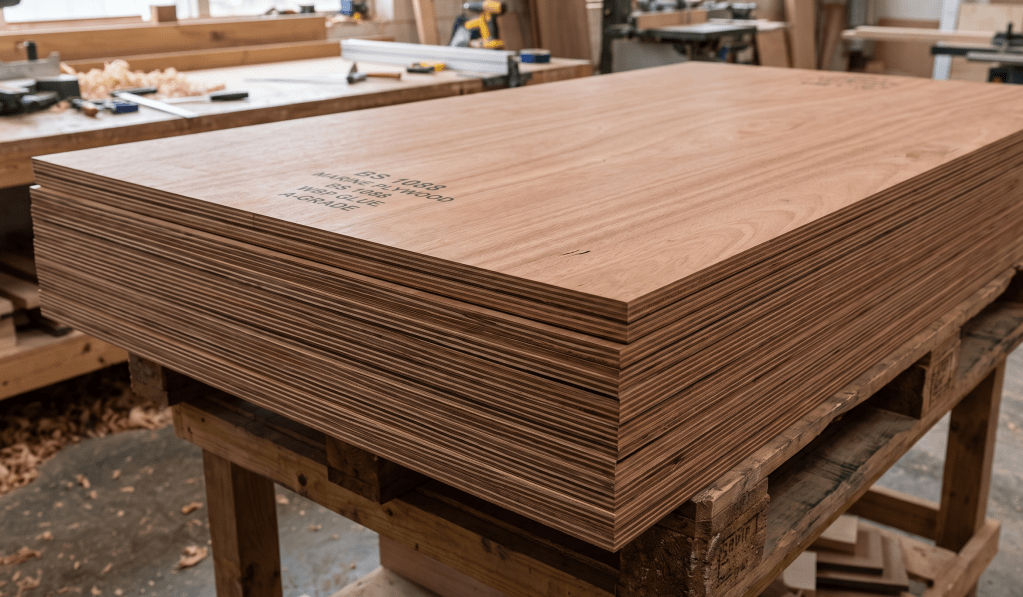
The exposed edges of the plywood should still be sealed during furniture installation. Water can enter through unsealed edges, screw holes, damaged laminates, or poorly finished joints, even when the plywood itself is water-resistant.
What Is IS 710 Marine Plywood?
IS 710 is the Indian Standard used for marine plywood. Plywood manufactured according to this standard is tested for its ability to withstand prolonged water exposure, boiling-water conditions, bonding failure, fungal attack, and other conditions linked to wet use.
A genuine IS 710 sheet should carry an ISI mark and a valid CM/L licence number. Buyers can use this number to check whether the manufacturer is authorized to produce plywood under the stated standard.
A printed “marine,” “waterproof,” or “BWP” label alone does not confirm that the plywood meets IS 710 requirements.
BWR vs BWP vs Marine Plywood
BWR, BWP, and marine plywood are often treated as similar products, but they are made for different levels of moisture exposure. The main differences lie in their certification, bonding quality, expected water resistance, and intended use.
What Is BWR Plywood?
BWR stands for Boiling Water Resistant plywood. It is commonly used for furniture that may face occasional moisture or humidity but is not expected to remain in direct contact with water for long periods.
BWR plywood is generally associated with the IS 303 standard. It is suitable for wardrobes, office furniture, wall panels, study tables, and selected kitchen cabinets placed away from sinks or plumbing lines.
It usually costs less than genuine marine plywood, which makes it suitable for areas where full IS 710 performance is not required.
What Is BWP Plywood?
BWP stands for Boiling Water Proof plywood. It offers stronger resistance to water than BWR plywood and is commonly used in kitchens, bathrooms, utility areas, and other moisture-prone spaces.
In the Indian market, the term BWP is often used for plywood sold as waterproof or marine-grade. However, the label alone does not prove that the sheet meets the IS 710 standard.
Buyers should check the certification printed on the plywood instead of relying only on the product name used by the seller.
Is BWP Plywood the Same as Marine Plywood?
BWP plywood and marine plywood are often used as interchangeable terms, but they should not be assumed to be the same in every case. Genuine marine plywood should meet the IS 710 standard and carry a valid ISI mark with a CM/L licence number. Some manufacturers may sell BWP plywood under other standards or internal product categories without IS 710 certification.
The safest approach is to check the standard number, manufacturer details, licence number, warranty terms, and invoice before purchase.
Here’s a quick comparison amongst BWR vs BWP vs Marine Plywood:-
| Factor | BWR Plywood | BWP Plywood | Marine Plywood |
| Water resistance | Resists occasional moisture and humidity. | Handles regular water splashes and damp conditions. | Handles prolonged moisture and demanding wet conditions. |
| Common standard | It is generally manufactured under IS 303. | The standard may vary between products and manufacturers. | Genuine marine plywood should meet IS 710. |
| Suitable uses | It is suitable for wardrobes, tables, wall panels, and dry-area furniture. | It is suitable for kitchens, utility areas, and selected bathroom furniture. | It is suitable for sink cabinets, bathroom vanities, commercial counters, and humid locations. |
| Price | It is usually the most affordable option. | It generally costs more than BWR plywood. | Certified marine plywood is generally the most expensive option. |
| What to check | Check the grade, thickness, core quality, and ISI mark. | Check the printed standard instead of relying only on the BWP label. | Check the IS 710 mark, CM/L number, manufacturer details, and invoice. |
Marine Plywood vs HDHMR Boards
Marine plywood and HDHMR boards are both used in moisture-prone furniture, but they are made differently and perform differently under load, water exposure, and hardware use.
Marine plywood is made from thin wood veneers bonded together with waterproof resin. HDHMR, or High-Density High-Moisture Resistant board, is made from compressed wood fibres mixed with resin and additives.
1. Material Structure
Marine plywood has a layered construction. Each veneer is placed in an alternating grain direction, which gives the sheet better strength and stability.
HDHMR has a dense and uniform fibre structure. Its smooth surface works well for painted, laminated, or routed designs, but it does not have the same layered wood construction as plywood.
2. Water Resistance
Certified IS 710 marine plywood is made for prolonged exposure to moisture and demanding wet conditions. It is commonly used near kitchen sinks, plumbing lines, bathroom vanities, and humid areas.
HDHMR offers better moisture resistance than regular MDF, but prolonged water exposure can still affect its edges and damaged surfaces. It should not be treated as a direct replacement for certified marine plywood in every wet application.
3. Screw-Holding Strength
Marine plywood generally provides stronger screw holding because screws grip multiple wood veneer layers. This makes it suitable for hinges, drawer channels, hydraulic fittings, and load-bearing furniture.
HDHMR can hold screws well because of its density, but repeated screw removal or fixing near the edges may weaken the board. The result also depends on the board quality and the type of hardware used.
4. Load-Bearing Ability
Marine plywood is usually a better choice for structural furniture such as beds, kitchen carcasses, heavy cabinets, shelves, and storage units.
HDHMR is often preferred for cabinet shutters, decorative panels, routed doors, wall panels, and other applications where a smooth and uniform finish is required.
5. Surface Finish
HDHMR has a flat and consistent surface, which makes it suitable for paint, polish, laminates, and CNC-routed designs.
Marine plywood may have natural variations in its surface because it is made from wood veneers. It usually requires laminate, veneer, paint, or another finish for a clean final appearance.
Where Is Marine Plywood Used?
Marine plywood is best suited to furniture and interior sections that may face regular moisture, water splashes, plumbing leaks, or high humidity. Its higher price is easier to justify in areas where ordinary plywood may swell, separate, or lose strength after repeated exposure to damp conditions.
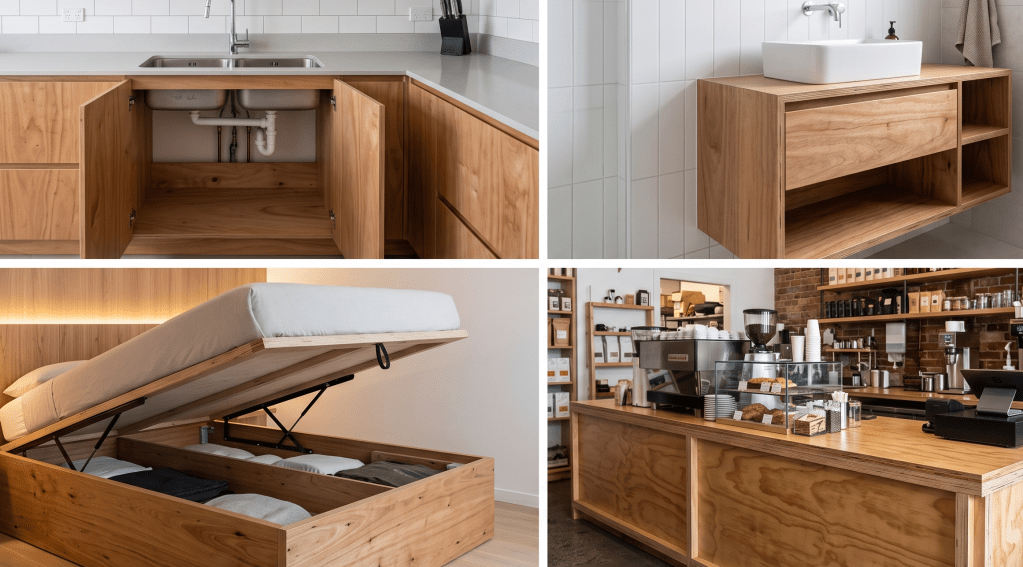
Here’s where marine plywood is used:-
1. Modular Kitchens
Marine plywood is commonly used for base cabinets, sink units, dishwasher sections, and cabinets built around plumbing lines. These areas face a higher risk of water leakage, spills, and trapped moisture.
It may not be necessary for every kitchen cabinet. BWR plywood can be used for upper cabinets or dry sections, while certified IS 710 plywood can be reserved for areas closer to water sources.
2. Bathroom Vanities
Bathroom cabinets and vanity units face steam, humidity, wet floors, and frequent water splashes. Marine plywood can be used for the main cabinet structure, shelves, partitions, and storage units.
The exposed edges must still be sealed properly. Laminates, edge bands, adhesives, and installation quality also affect how long the furniture lasts.
3. Beds and Heavy Furniture
Marine plywood can be used in hydraulic beds, storage beds, structural frames, and furniture that must hold heavy fittings. Its layered construction provides good screw holding for hinges, hydraulic mechanisms, drawer channels, and other hardware.
However, marine plywood may be unnecessary for a bed placed in a dry bedroom. Good-quality BWR or BWP plywood may be sufficient unless the room has persistent dampness or a high risk of moisture.
4. Coastal and High-Humidity Locations
Homes in coastal, high-rainfall, or humid regions face a greater risk of swelling, fungal growth, and bonding failure. Marine plywood can be used for kitchens, wardrobes, storage units, doors, and fixed furniture in such locations.
Proper ventilation, surface finishing, and edge sealing remain necessary because no plywood should be left exposed to water for long periods.
5. Commercial Interiors
Marine plywood is also used in restaurants, hotels, salons, laboratories, hospitals, and retail counters. Furniture in these spaces may face regular cleaning, spills, humidity, and heavier daily use.
It works well for service counters, storage cabinets, wash areas, pantry units, and furniture installed near plumbing or water sources.
How to Identify Genuine IS 710 Marine Plywood
A plywood sheet may be described as waterproof, BWP, or marine grade without meeting the official marine plywood standard. You should check the printed certification, licence details, physical construction, and invoice before making a purchase.
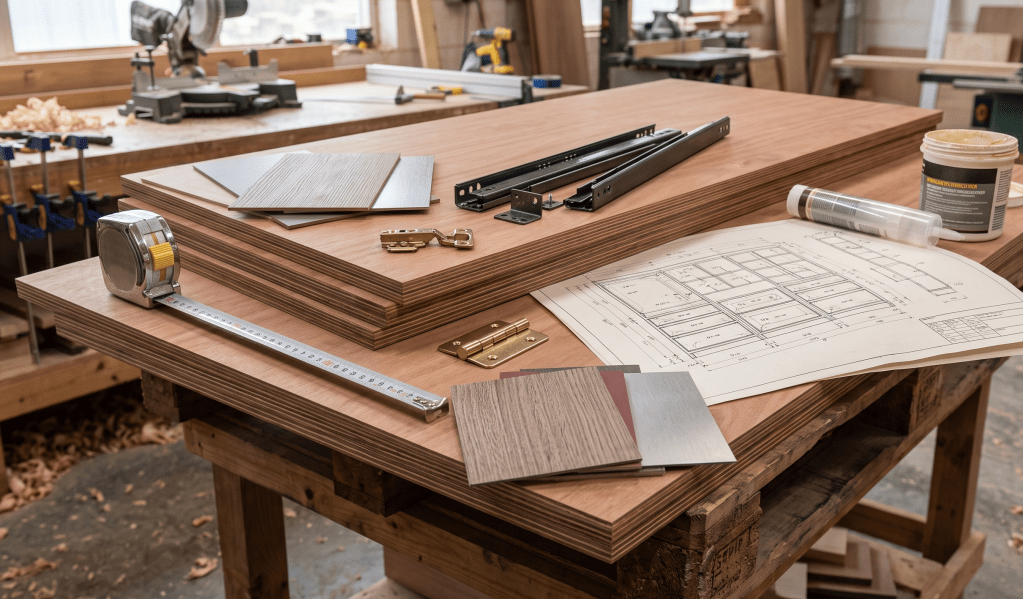
The current Indian standard for marine plywood is IS 710:2024, which is the third revision of the specification. Here’s the step-by-step guide to check plywood quality of IS 710 Marine plywood:-
1. Check the IS 710 Mark
Look for the ISI mark and IS 710:2024 printed on the plywood sheet. The marking should be clear and permanent rather than added through a loose sticker.
A sheet marked only as “waterproof,” “BWP,” “marine quality,” or “710 grade” should not automatically be treated as IS 710-certified plywood. Product names can include these terms even when the sheet follows a different standard.
2. Verify the CM/L Number
Certified plywood should carry a licence number beginning with CM/L near the ISI mark. Enter this number in the BIS Care app under “Verify Licence Details.”
The result can show the manufacturer’s name and address, licence status, covered product varieties, and registered brands. Check whether the details shown in the app match the product and manufacturer printed on the sheet.
You can also search by the standard number through the BIS “Know Your Standard” service or check licence information through the Manak Online portal.
3. Inspect the Plywood Edge
Look at the edge of the sheet before it is cut or laminated. A well-made marine plywood sheet should have evenly arranged veneer layers with minimal visible gaps.
Avoid sheets showing:
- Large gaps between the inner veneers.
- Overlapping or folded veneer layers.
- Cracks or loose sections along the edge.
- Uneven thickness across the sheet.
- Excessive filler used to hide defects.
Edge inspection can help identify poor construction, but it cannot confirm IS 710 certification on its own.
4. Check the Surface and Thickness
Place the sheet on a flat surface and inspect it from different angles. It should not show excessive bending, bubbling, peeling, or raised patches.
Measure the thickness at several points when possible. Large variations may affect cutting accuracy, laminate application, furniture alignment, and hardware installation.
The front and back surfaces should be reasonably even and free from open cracks or loose veneer.
5. Ask for the Invoice and Warranty
The invoice should mention the manufacturer, product range, plywood grade, thickness, sheet size, quantity, and price. Avoid accepting only a handwritten description such as “waterproof ply” without the full product details.
Read the warranty terms before purchase. Check what the warranty covers, how long it remains valid, whether registration is required, and which documents must be retained for a claim.
6. Check Screw and Nail Holding
A dense sheet with properly bonded veneers should hold screws firmly without excessive splitting around the fixing point. Poor core construction can cause screws to loosen, especially near hinges, drawer channels, and hydraulic fittings.
Ask the dealer for a small cut piece when available. This allows you to inspect the internal layers and test screw holding without damaging the full sheet.
Physical inspection helps you compare sheet quality, but the ISI mark and valid CM/L number remain the main checks for confirming certification.
How to Choose the Right Marine Plywood
The right marine plywood depends on where it will be used, how much moisture it may face, the weight it must carry, and the type of hardware fixed to it. Choosing only by brand or price can lead to unnecessary spending or poor performance.
1. Choose the Grade Based on Water Exposure
Use certified IS 710 marine plywood in areas that face regular water splashes, plumbing risks, high humidity, or prolonged dampness. These areas include sink cabinets, bathroom vanities, utility units, commercial counters, and furniture in coastal regions.
For furniture placed in dry bedrooms, living rooms, or offices, good-quality BWR plywood may be sufficient. Using marine plywood in every section can increase the project cost without providing a practical benefit.
2. Select the Right Thickness
The required thickness depends on the furniture component and the weight it must support.
| Furniture component | Recommended thickness |
| Cabinet backs and drawer bases | 6mm to 9mm |
| Light partitions and drawer sides | 9mm to 12mm |
| Shelves and cabinet sections | 12mm to 16mm |
| Kitchen carcasses and wardrobes | 16mm to 18mm |
| Beds, heavy cabinets, and structural frames | 18mm to 19mm |
Thicker plywood is not automatically better for every application. Proper support, frame design, span length, and hardware placement also affect the final strength.
3. Check the Core Construction
Inspect the exposed edge for uniform veneer layers and minimal gaps. Dense and evenly bonded cores usually provide better screw holding and load support.
Avoid sheets with overlapping veneers, open gaps, cracks, loose layers, or excessive filler. These defects can weaken the furniture and make hardware installation less reliable.
4. Compare the warranty carefully.
A long warranty does not always cover every form of damage. Read the terms to check whether the warranty includes delamination, termites, borers, fungal damage, or manufacturing defects.
Also check whether product registration is required and which documents must be kept for a claim. The invoice, warranty card, product label, and photographs may be required later.
5. Check Hardware Requirements
Furniture fitted with hydraulic lifts, heavy hinges, drawer channels, or sliding systems needs plywood with strong screw holding. The sheet should be dense enough to hold repeated movement without loosening around the fixing points.
For heavy hardware, use the correct screw length and avoid fixing too close to the plywood edge.
6. Calculate the Full Project Cost
The plywood price is only one part of the total furniture cost. The final budget may also include:
- Laminates or veneers.
- Adhesives and edge bands.
- Hinges, handles, and drawer channels.
- Hydraulic fittings.
- Cutting and transport charges.
- Carpenter labour.
- Material wastage.
Compare the total installed cost rather than selecting plywood based only on the price per square foot.
7. Buy From a Reliable Seller
A reliable dealer should provide clear information about the product grade, thickness, standard, warranty, and manufacturer. The dealer should also issue a proper invoice and allow you to inspect the sheet before purchase.
For IS 710 plywood, verify the ISI mark and CM/L number instead of depending only on verbal claims or product names.
Why Choose Digna Ply?
Digna Ply helps you compare marine plywood based on grade, thickness, core quality, certification, warranty, and intended use. We supply plywood from trusted brands and help you check the ISI mark, CM/L number, and product details before purchase. You can also compare options across different price ranges without choosing low-quality plywood for kitchens, bathrooms, beds, or other load-bearing furniture. Along with plywood, Digna Ply supplies hinges, drawer channels, hydraulic fittings, handles, adhesives, and other furniture hardware in one place.
For marine plywood prices and product availability in Dehradun, call or WhatsApp Digna Ply at 8881306046.
Frequently Asked Questions
What is marine plywood?
Marine plywood is a high water-resistant plywood made using selected wood veneers and waterproof resin. It is commonly used in kitchens, bathrooms, utility areas, commercial counters, and furniture installed in humid locations.
Is marine plywood completely waterproof?
Marine plywood is designed to withstand prolonged moisture and water exposure, but it should not be left unfinished or submerged for long periods. Exposed edges, screw holes, plumbing cut-outs, and joints should be sealed properly.
What is the difference between BWR and marine plywood?
BWR plywood is suitable for occasional moisture and is generally associated with IS 303. Genuine marine plywood is intended for more demanding wet conditions and should meet the IS 710 standard.
Is BWP plywood the same as marine plywood?
Not always. BWP is often used as a general term for waterproof plywood, while genuine marine plywood should carry an IS 710 mark and a valid CM/L licence number.
How can I check whether marine plywood is genuine?
Check the IS 710 mark, CM/L number, manufacturer details, sheet thickness, edge quality, and invoice. The licence number can also be checked through the BIS Care app or official BIS portal.
Is marine plywood suitable for modular kitchens?
Yes. It is commonly used for sink cabinets, base units, dishwasher sections, and cabinets near plumbing lines. Dry upper cabinets may not always require marine plywood.
Can marine plywood be used in bathrooms?
Yes. Marine plywood can be used for bathroom vanities, shelves, and storage cabinets, but the surfaces and exposed edges should be sealed with suitable laminates, adhesives, and edge finishing.


Leave a Reply