Marine plywood gets its name from applications such as boat building, where sheets must meet requirements for demanding wet conditions. But you will also find it listed for kitchen cabinets, bathroom vanities, and everyday furniture.
BWP stands for Boiling Water Proof. It describes plywood’s bonding performance under specified water-resistance tests and is commonly recommended for furniture that may encounter moisture, spills, or plumbing leaks.
The BWP vs marine plywood comparison goes beyond water resistance. BWP describes boiling-water-proof performance, while the marine plywood standard covers materials, manufacturing, and performance requirements. A sheet can carry both descriptions, which means the names alone cannot tell you whether two products differ.
At Digna Ply, we recommend comparing the sheet specifications against your furniture plans. This guide explains what to check, where each specification fits, and how thickness, construction, and price affect your purchase, so you can decide what your project needs before placing an order.
What BWP and Marine Mean on a Plywood Label
A plywood label contains more than a brand name. The grade and standard number give you a clearer starting point for comparing sheets, especially when sellers use “BWP” and “marine” together.
BWP identifies the water-resistance grade
BWP stands for Boiling Water Proof. It describes the plywood’s bonding performance under specified water-resistance tests. These tests assess how well the layers remain bonded after exposure to the prescribed conditions.
IS 303:2024 includes BWP within the general-purpose plywood standard. Since this standard also includes MR and BWR grades, check the grade alongside the IS number. “IS 303 plywood” on a quotation is not enough to identify its water-resistance grade.
Marine plywood has its own product standard
In India, IS 710:2024 covers marine plywood. Its requirements address materials, manufacturing, and performance for plywood suitable for constructing, repairing, and maintaining marine and river craft.
For a sheet sold as marine plywood, check the IS 710 marking and verify the manufacturer’s BIS license. This helps establish the specification behind the product name.
The same sheet can carry both descriptions
Marine plywood can also be described as BWP. BIS testing listings for IS 710:2024 include BWP-type plywood, so the two labels can appear together on the same product.
If you are comparing IS 303 BWP with IS 710 marine plywood, assess the specifications against your project. If both products are IS 710, compare their construction, thickness, product details, and warranty terms.
At Digna Ply, we recommend recording the brand, product line, grade, standard, and thickness on your quotation so you know exactly what you are buying.
BWP vs Marine Plywood at a Glance
The clearest comparison is between IS 303:2024 BWP plywood and IS 710:2024 marine plywood. Both have boiling-water-resistance requirements, but their construction and performance specifications differ. The table below shows what those differences mean when assessing a sheet.
| Comparison point | IS 303:2024 BWP plywood | IS 710:2024 marine plywood |
| Product category | General-purpose plywood with a BWP bonding grade. | Plywood made to the marine specification. |
| Intended applications | General-purpose applications, including furniture and interior work. | Applications covered by the marine standard, including marine and river craft. |
| Boiling-water testing | Specifies a 72-hour boiling-water procedure followed by assessment of the bond. | Also specifies a 72-hour boiling-water procedure followed by assessment of the bond. |
| Core construction | Allows limited core gaps within prescribed size and spacing limits. | Does not permit gaps, splits, or open joints in the core. |
| Strength requirements | Includes static bending-strength requirements. | Includes static bending-strength and wet bending-strength requirements. |
| Termite and borer protection | Check the treatment details and product warranty. | Check the treatment details and product warranty. |
| Price comparison | Compare the exact brand, product line, thickness, and sheet size. | Compare the same details before assessing any price difference. |
The testing duration is worth paying attention to. A “72-hour boiling-water tested” claim alone does not distinguish these specifications.
Marine plywood’s requirements also address core construction and bending performance after wet conditioning. These details give the comparison more substance than a waterproof label alone.
Weight, surface finish, calibration, and warranty terms still need checking for the individual product. A marine label does not establish that every sheet is heavier or has better termite protection.
Before choosing, ask for the product data sheet and compare sheets of the same thickness and dimensions. This helps you identify what any extra cost buys and whether it serves your furniture project.
Which Plywood Should You Choose for Different Furniture Applications?
At Digna Ply, we recommend separating your material list by where the furniture will sit and how it will encounter water. A cabinet beneath a sink needs a different assessment from a wardrobe in a dry bedroom.
1. Kitchen cabinets
Prioritize water resistance beneath the sink, where an unnoticed plumbing leak can keep panels wet. Choose verified BWP plywood that the manufacturer lists as suitable for wet-area cabinetry. Compare the exact IS 303 BWP and IS 710 products being quoted before deciding.
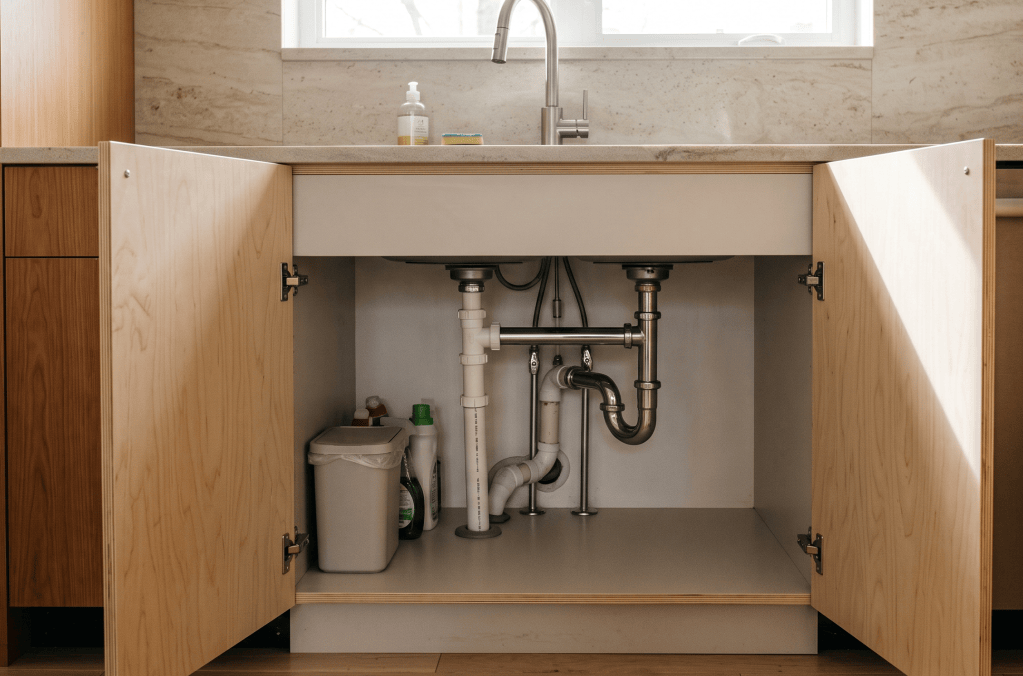
Overhead cabinets and dry pantry storage usually face less direct water, although steam, spills, and cleaning still matter. Assess these units separately, and include protected edges and accessible plumbing connections in the cabinet plan.
2. Bathroom vanities
For bathroom vanities, compare products suitable for humidity and repeated splashes. A vanity beside an open shower faces different conditions from one behind a shower screen in a ventilated bathroom.
BWP or marine plywood still needs protected cut edges and plumbing openings. Keep the cabinet base clear of standing water, provide ventilation, and repair leaks promptly.
3. Wardrobes and bedroom furniture
A wardrobe in a dry room does not automatically need marine plywood. MR or BWR may suit the conditions, leaving more of your budget for the required thickness, hardware, and finish.
Where damp walls or seepage are present, fix the moisture source before installing furniture. Paying for a different plywood specification cannot replace that repair.
4. Utility rooms and covered outdoor furniture
Occasional laundry splashes differ from repeated rain exposure. For utility cabinets or covered balcony furniture, confirm that the manufacturer lists the product for the intended conditions.
For furniture that rain can reach, we recommend checking the stated exterior-use suitability alongside the grade. Plan drainage and a suitable protective finish so water does not collect against panels or exposed edges.
5. Boat building and continuous water exposure
IS 710 covers plywood suitable for constructing, repairing, and maintaining marine and river craft. For these projects, follow the designer’s specified sheet construction, thickness, treatment, and finishing requirements. A plywood recommendation for household cabinets is insufficient for boat building or continuous immersion.
What Should You Check Before Buying BWP or Marine Plywood
Once you have compared specifications and prices, check that the sheets supplied match the products you selected. Do this before cutting removes markings or makes defects harder to inspect.
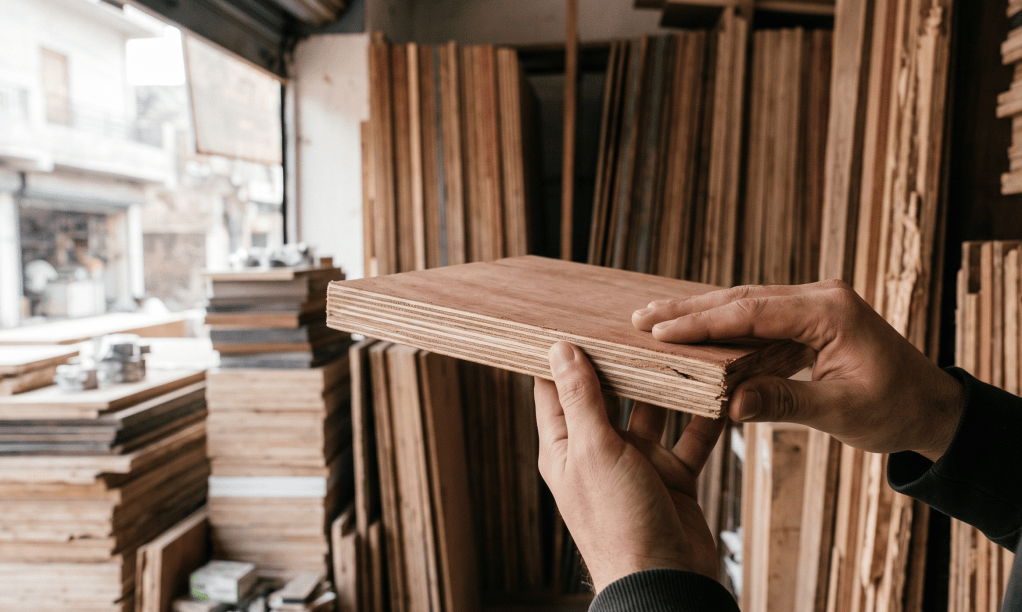
1. Verify the label and BIS license
Look for the standard number, grade, manufacturer’s name, and CM/L license number. For IS 303 plywood, confirm that the sheet identifies the BWP grade.
Enter the CM/L number in the BIS Care app or the BIS license search. Check the manufacturer, applicable standard, current license status, and varieties covered. Match these details with the sheet markings and quotation.
2. Inspect the sheet’s physical condition
Check accessible edges for visible gaps, splits, or separation between layers. Look across the sheet for warping, damaged corners, and surface defects that could affect cutting or finishing.
Treat this as an initial inspection. A smooth face or neatly finished edge cannot confirm the condition of every internal layer or establish water-resistance performance.
3. Read the actual warranty terms
Check what the manufacturer covers for water-related damage, termites, and borers. Review installation conditions, exclusions, registration deadlines, and documents required for a claim.
Also check whether compensation covers the plywood alone or includes eligible labor and other materials. Warranty duration does not tell you the scope of cover, and some programs require registration after purchase.
4. Record the specifications on the invoice
Request the brand, product line, grade, applicable standard, thickness, sheet size, quantity, and rate on the invoice. Confirm that these match the delivered sheets.
Keep the invoice, warranty documents, and clear photographs of the product markings. These records help identify the material used if you need additional sheets or submit a warranty claim later.
Waterproof Plywood Still Needs Protection
A water-resistant glue bond helps the plywood layers remain bonded under specified test conditions. A finished cabinet also has exposed wood, joints, and openings that need protection.
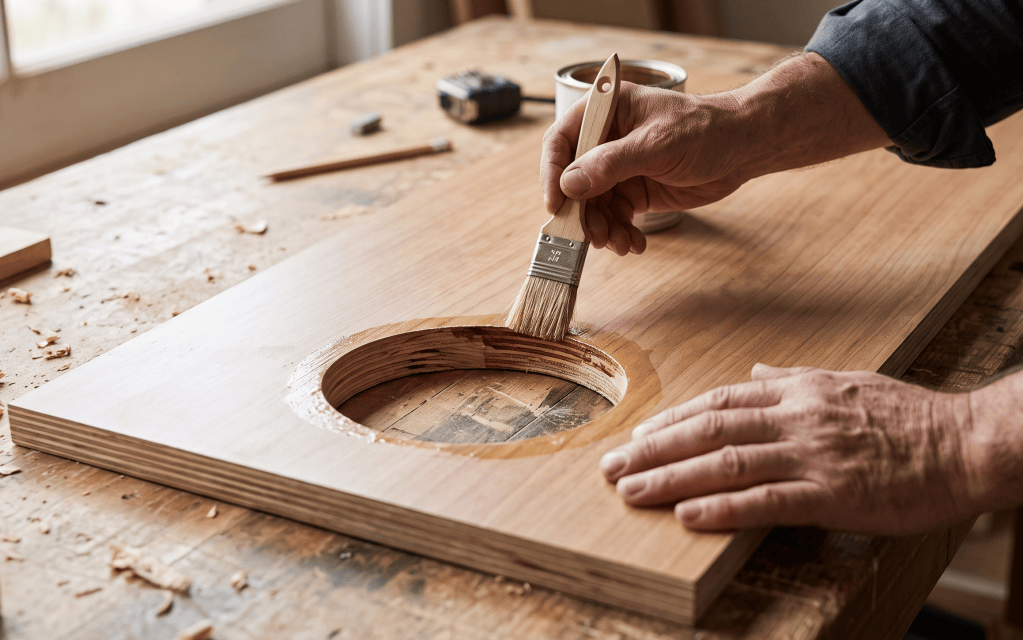
Pay particular attention to cut edges, screw holes, sink cutouts, and plumbing openings. Ask your carpenter to protect these areas with a sealing system suitable for the sheet, its finish, and the expected water exposure. Check newly cut or drilled areas before installation.
Provide ventilation, keep cabinet bases clear of standing water, and leave plumbing accessible for inspection. Repair leaks promptly rather than relying on the plywood grade to tolerate continuing dampness.
Furniture lifespan depends on the sheet specification, construction, finishing, and conditions of use. The BWP or marine label alone cannot establish how many years a cabinet will last.
Choose Digna Ply for Your Plywood Purchase
At Digna Ply, we help you choose plywood around your furniture plans, room conditions, and budget. Bring the required sizes and quantities so the discussion starts with what your project needs.
Compare the sheet labels, thicknesses, and exact product lines before deciding. For a kitchen or wardrobe order, assess each component separately and review the quotation against your material list. This helps you judge any price difference alongside the specifications.
Visit Digna Ply, or WhatsApp us at 8881306046. Request a quotation showing the brand, product line, grade, standard, thickness, sheet size, and quantity.
Frequently Asked Questions
Are BWP plywood and marine plywood the same?
The terms can overlap, but they do not always identify the same specification. Check whether the sheet is IS 303 BWP or IS 710 marine plywood.
Can IS 303 plywood be BWP grade?
Yes. IS 303:2024 includes BWP, so check the grade alongside the standard number.
Is BWP plywood completely waterproof?
BWP describes bonding performance under specified water-resistance tests. Finished furniture still needs protected edges, openings, and joints.
Which plywood should I choose for cabinets beneath a kitchen sink?
Choose verified BWP plywood listed by its manufacturer for wet-area cabinetry. Compare the exact products and include edge sealing and accessible plumbing in the installation.
Is marine plywood always more expensive than BWP plywood?
No. Compare matching thicknesses and sheet sizes, then assess the product specifications and purchase terms.
Does marine plywood automatically resist termites and borers?
Do not assume protection from the marine label alone. Check the product’s treatment details and written warranty coverage.
Can marine plywood be left exposed to rain?
Check whether the manufacturer permits that application. Follow the specified finishing requirements and prevent water from collecting against the furniture.
How do I verify a plywood sheet’s BIS license?
Enter its CM/L number in the BIS Care app or official BIS license search. Match the manufacturer, standard, license status, and covered varieties with the sheet.


Leave a Reply