Summers are getting harsher, electricity bills are rising, and water shortages are becoming common in many Indian cities. At the same time, homeowners want spaces that feel comfortable, last longer, and need less maintenance over the years.
A well-planned sustainable home is the answer here.
A sustainable home uses less energy, reduces wastage, saves water, and supports better indoor air quality. It is built for comfort, durability, and lower running costs. More importantly, it helps homeowners make practical choices without compromising on design or everyday convenience.
In this guide, we will look at what sustainable homes really mean, the features that make them work, the materials used in green construction, and how you can make both new and existing homes more eco-friendly.
What Is a Sustainable Home?
A sustainable home is a house designed to reduce pressure on natural resources while making everyday living more comfortable. It is planned to use energy, water, and materials more efficiently. This can start with basic design choices such as placing windows for better daylight, allowing cross-ventilation, and reducing heat gain through roofs and walls.
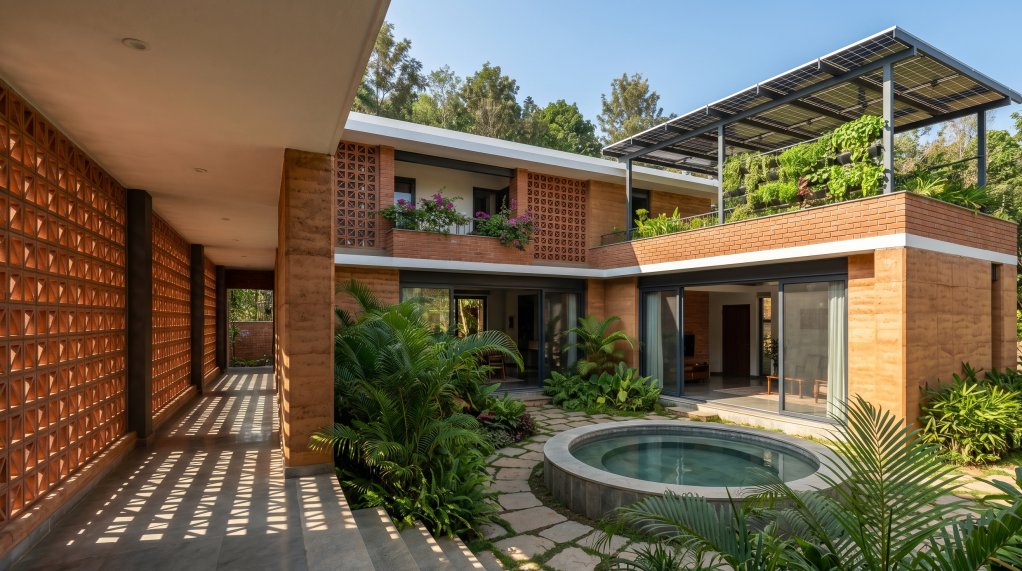
When a home gets enough natural light and airflow, it depends less on artificial lighting, fans, and air conditioners. This reduces electricity use without affecting comfort.
Water use is another major part of sustainable housing. Rainwater harvesting, low-flow taps, dual-flush systems, and better plumbing design can reduce water wastage. These systems are especially useful in cities where groundwater levels are falling and water supply is unpredictable.
Key Features of Sustainable Homes
Different parts of a sustainable home support each other. Good design reduces heat. Better ventilation improves comfort. Durable materials reduce repairs. Water-saving systems reduce wastage. Energy-efficient appliances lower monthly bills.
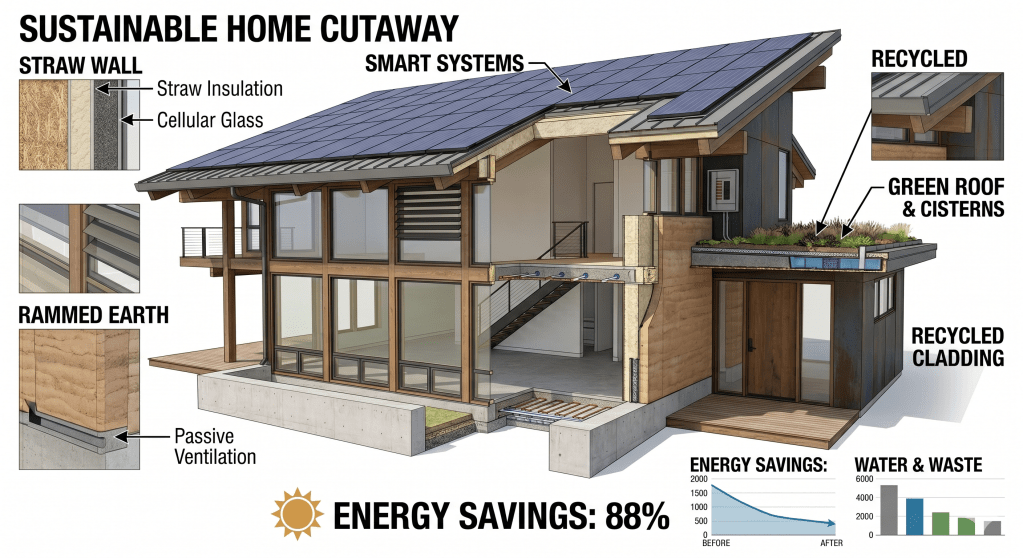
You do not need all the features of a sustainable home at once. Even a few well-planned choices can make a home more efficient, comfortable, and easier to maintain:-
1. Energy-efficient design
Energy efficiency starts before construction begins. The direction of the house, placement of windows, size of openings, roof design, and use of shaded areas can all affect how much heat enters the home.
A home that receives balanced natural light during the day needs less artificial lighting. Cross-ventilation helps hot air move out and keeps indoor spaces fresher. Shaded windows, balconies, chajjas, and trees can reduce direct heat without blocking airflow.
2. Better insulation and heat control
Insulation helps a home stay cooler in summer and warmer in winter. It works by slowing down heat transfer through roofs, walls, windows, and floors.
The roof is one of the biggest sources of heat gain in Indian homes. Cool roof coatings, roof insulation, reflective tiles, or shaded terraces can reduce indoor heat. For walls, better construction materials and surface treatments can help control temperature.
Windows also make a big difference. Large glass openings may look attractive, but they can increase heat if placed without planning. Using shaded windows, double-glazed glass, curtains, blinds, or reflective films can help control heat gain.
3. Renewable energy systems
Solar energy is one of the most common renewable energy options for homes. Rooftop solar panels can reduce grid electricity use, especially in homes with high daytime power consumption. Solar water heaters are another practical option for reducing electricity use.
Some homes may also use battery storage, but that depends on budget, power needs, and local electricity supply. Not every sustainable home has to be a net-zero energy home from day one. Many homeowners start with efficient design and appliances, then add solar later.
4. Water-saving systems
Rainwater harvesting is one of the most practical systems for Indian homes. It collects rainwater from rooftops and directs it for storage or groundwater recharge. This can support gardening, cleaning, flushing, or recharge systems, depending on the setup.
Low-flow taps, dual-flush toilets, water-efficient showers, and leak-proof plumbing also make a big difference. These are simple upgrades, but they reduce daily wastage.
Greywater reuse is another option for some homes. Water from wash basins, showers, or laundry can be treated and reused for gardening or flushing. It needs proper planning, but it can reduce freshwater use.
5. Healthier indoor spaces
Paints, adhesives, polishes, laminates, and some furniture materials can release strong chemical smells indoors. Choosing low-VOC paints and safer finishes can reduce this issue. Proper ventilation also helps remove trapped indoor pollutants.
Moisture control is equally important. Damp walls, leaking pipes, and poor-quality boards can lead to swelling, odour, and fungal growth. In kitchens, bathrooms, utility areas, and under-sink cabinets, the right material choice is important for long-term hygiene and durability.
6. Waste reduction during construction
Sustainable construction reduces this through better design, accurate estimation, and smarter material use. Modular planning can help reduce cutting waste in plywood, tiles, stone, glass, and boards. Reusing suitable materials from older structures can also reduce landfill waste.
Durability matters here as well. A material that lasts longer creates less waste over time. This applies to structural materials, flooring, fittings, plywood, cabinets, doors, and wall panels.
In the long run, a sustainable home is not just built responsibly. It is also maintained with fewer replacements and less wastage.
Materials Used in Sustainable Homes
Sustainable homes rely on materials that are durable, safe, efficient, and suited to the local climate. Not only the material should come from natural sources, it should also perform well over time. If a material needs frequent replacement, it creates more waste and increases the total cost of ownership.
Here are some of the materials used in sustainable homes:-
1. Sustainable wood and plywood
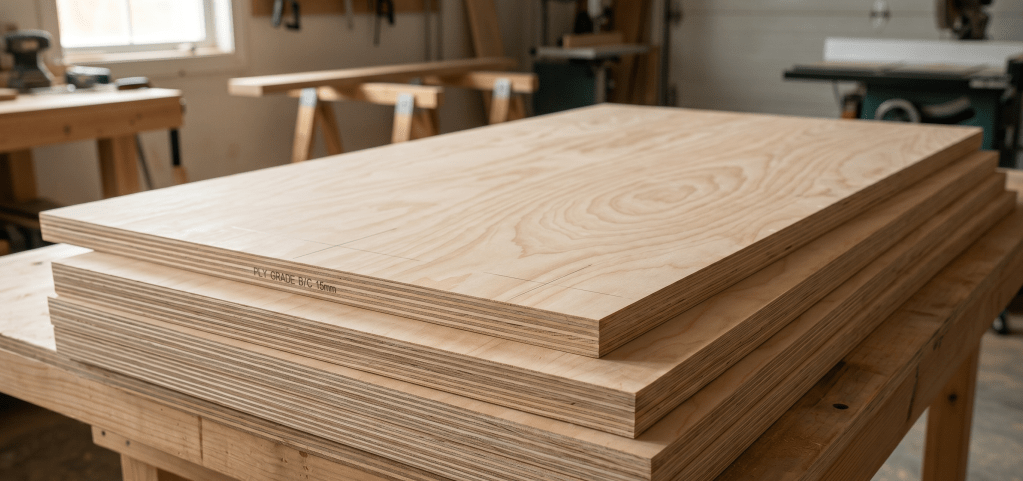
Wood-based materials are widely used in Indian homes for wardrobes, kitchen cabinets, doors, partitions, wall panels, shelves, and furniture. Plywood is often a practical choice because it offers strength, flexibility, and better screw-holding capacity than many other board materials. It can be used across different interior applications when the right grade is selected.
2. Recycled and reclaimed materials
Reclaimed wood can be used for furniture, wall cladding, shelves, doors, and decorative panels. Recycled metal can work well in railings, frames, fixtures, and structural elements. Recycled tiles, glass, and stone can also be used in flooring, backsplashes, and accent walls.
Always check quality before use. Reclaimed materials should be free from damage, pests, moisture issues, and weak structural sections. They should also match the safety and durability needs of the space.
3. Low-VOC paints, adhesives, and finishes
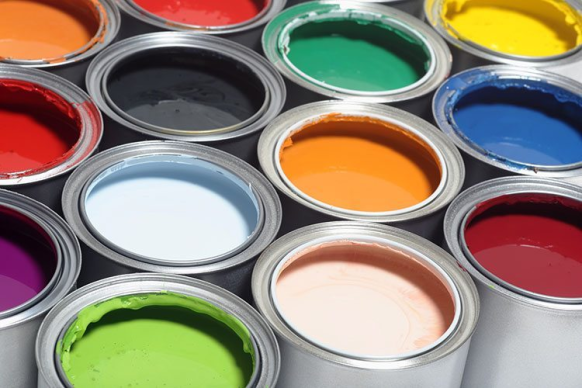
VOC stands for volatile organic compounds. These are chemicals that can evaporate into the air from paints, coatings, adhesives, and some finishes. Low-VOC products is especially useful for bedrooms, children’s rooms, kitchens, and closed spaces. It helps create interiors that feel fresher and safer for daily use.
4. Bamboo, cork, and other renewable materials
Bamboo is a fast-growing material that can be used in flooring, furniture, wall panels, blinds, and decorative elements. It has become popular because it grows faster than many hardwood trees and can work well in modern interiors.
Cork is another renewable material used in flooring, wall panels, and insulation. It has natural cushioning, sound absorption, and thermal properties, which makes it useful in certain interior applications.
5. Locally sourced materials
Locally sourced materials can reduce transport distance, delivery costs, and project delays. They also tend to be better suited to local climate and construction practices.
For example, locally available stone, clay tiles, timber, plywood, bricks, and lime-based materials can often perform well when used correctly. They are also easier to replace or repair because supply chains are nearby.
6. Materials that reduce heat and improve comfort
Green building materials should also help control indoor temperature. Roof tiles, cool roof coatings, insulated panels, cavity walls, shaded glass, and reflective surfaces can reduce heat gain.
In hot regions, roof and wall materials matter a lot. A home that absorbs too much heat during the day becomes uncomfortable by evening. It also needs more cooling.
Cost of Building a Sustainable Home
Solar panels, better insulation, high-performance windows, water systems, and certified materials used in a sustainable home may increase the initial budget. It can definitely cost more if you add every green feature is added at once. But you can add these features in stages.
Another mistake most people make is treating sustainability as an extra layer. They first design a regular home and then add green features later. This often increases cost. A better approach is to include sustainable choices from the planning stage. That way, the design itself helps reduce energy use, water waste, and material wastage.
Additional cost of building a sustainable home
The added cost usually comes from systems and materials that improve long-term performance.
Better roof insulation, reflective surfaces, double-glazed windows, solar panels, rainwater harvesting systems, low-VOC finishes, and efficient appliances can cost more initially. Durable materials for interiors may also cost more than basic alternatives.
How sustainable homes save money over time
The biggest savings usually come from electricity, water, and maintenance.
A home with good ventilation, insulation, and shaded openings needs less cooling. This can reduce electricity usage, especially during summer. LED lights, efficient fans, inverter ACs, and star-rated appliances also help lower monthly bills.
Water-saving fixtures reduce daily consumption. Rainwater harvesting can reduce dependency on external water sources in some homes. Leak-proof plumbing also prevents hidden wastage and damage.
Maintenance savings come from better materials. If cabinets, doors, panels, and furniture are made with the right plywood, they last longer. This matters in kitchens, bathrooms, utility areas, and other moisture-prone spaces.
Certifications and Standards for Sustainable Homes
Let’s be clear – a sustainable home does not always need a certificate. But certifications can help when you want clear benchmarks. They give homeowners, builders, architects, and buyers a structured way to check energy use, water efficiency, material selection, waste handling, and indoor comfort.
These certificates are especially useful for larger homes, premium projects, apartments, villas, and commercial-style residential developments:-
1. LEED certification
LEED stands for Leadership in Energy and Environmental Design. It is one of the most widely known green building rating systems in the world.
For homes, LEED looks at areas such as energy efficiency, water use, indoor air quality, site planning, material use, and waste reduction. A project earns points based on how well it performs across these areas.
LEED certification is useful for homeowners who want global recognition for their sustainable home. It also helps builders show that a project follows measured green building practices.
2. GRIHA for Indian green buildings
GRIHA stands for Green Rating for Integrated Habitat Assessment. It is one of India’s important rating systems for green buildings.
GRIHA is designed with Indian climate, construction practices, and resource challenges in mind. It looks at energy use, water management, site planning, material use, waste handling, and occupant comfort.
3. IGBC green home rating
IGBC stands for Indian Green Building Council. Its green home rating system is another popular framework used in India.
The IGBC Green Homes rating focuses on sustainable site planning, water conservation, energy efficiency, materials, indoor comfort, and innovation.
It is especially useful for residential projects, villas, gated communities, and apartment developments. Builders often use IGBC ratings to show that their homes follow green construction practices.
How to Make an Existing Home More Sustainable
You do not need to rebuild your home to make it more sustainable. Many improvements can be made during regular repairs, renovations, or interior upgrades.
Here are some of the changes you can make in your house to improve its sustainability:-
1. Start with an energy audit
An energy audit helps you find where your home is wasting electricity. This can include old appliances, poor lighting, air leaks, weak insulation, and high cooling demand.
Begin with a simple room-by-room check. Look at which rooms stay hot for longer, which appliances consume more power, and where lights or fans stay on unnecessarily.
Also check doors, windows, roof areas, and gaps around frames. Heat often enters through poorly shaded windows and uninsulated roofs. Cool air can also escape when doors and windows do not close properly.
Once you know the problem areas, upgrades become easier to plan.
2. Upgrade lighting and appliances
Fans, refrigerators, washing machines, geysers, and air conditioners should be chosen based on energy ratings. Inverter ACs and star-rated appliances may cost more initially, but they reduce power use over time.
Do not replace every appliance at once only for the sake of sustainability. Replace them when they are old, inefficient, or costly to repair.
3. Improve ventilation and shading
Start by checking how air moves through the home. Openings on opposite sides of a room can improve cross-ventilation. Exhaust fans in kitchens and bathrooms can remove trapped heat, smoke, and moisture.
Shading is equally important. Curtains, blinds, window films, balcony plants, pergolas, and chajjas can reduce direct sunlight. This is especially useful for west-facing windows that receive harsh afternoon heat.
4. Add water-saving systems
Start with leak checks. A dripping tap, leaking flush tank, or hidden pipe leak can waste a lot of water over time. After that, switch to low-flow taps, water-efficient showerheads, and dual-flush systems.
Rainwater harvesting can also be added in many independent homes and residential buildings. Rooftop rainwater can be collected for storage or directed into recharge pits, depending on the site.
5. Choose better materials during renovation
Renovation is the right time to replace weak or damaged materials with better options. This applies to flooring, wall finishes, cabinets, doors, partitions, and furniture.
Low-VOC paints, safer adhesives, and durable finishes also help improve indoor air quality. They are useful in bedrooms, children’s rooms, kitchens, and closed storage areas.
6. Use smart technology where it makes sense
Smart devices can help track and reduce resource use. Smart meters, motion-sensor lights, timer-based outdoor lights, smart plugs, and water-level sensors can make daily use more efficient.
A motion sensor in a passage or staircase can reduce unnecessary lighting. A water-level sensor can prevent tank overflow. A smart plug can help monitor heavy appliances.
7. Make upgrades in phases
Start with low-cost changes such as LEDs, leak repairs, better ventilation, and shading. Then move to appliances, plumbing fixtures, roof treatment, and material upgrades. Larger systems like solar panels or rainwater harvesting can be planned when the budget allows.
Choose Digna Ply for sustainable home interiors
Digna Ply offers plywood options for different interior needs, from wardrobes and partitions to kitchen cabinets and moisture-prone spaces.
Before choosing plywood for your sustainable home, speak to the Digna Ply team and select the right grade for each application. WhatsApp Digna Ply at 8881306046 to choose the right plywood for your interiors.
Frequently Asked Questions
What is a sustainable home?
A sustainable home is designed to use resources more efficiently. It saves energy, reduces water wastage, uses durable materials, and supports healthier indoor living.
Are sustainable homes expensive?
Sustainable homes can cost more if you add advanced systems such as solar panels, batteries, premium insulation, and smart monitoring. But many sustainable choices are budget-friendly. Better ventilation, LED lighting, water-saving fixtures, durable plywood, shaded windows, and low-VOC paints can be added without turning the project into a luxury build.
What materials are used in sustainable homes?
Sustainable homes use materials that are durable, safe, efficient, and suitable for the local climate. Common options include certified plywood, reclaimed wood, bamboo, recycled metal, fly ash bricks, low-VOC paints, natural stone, clay tiles, and locally sourced materials.
Can I make my existing home sustainable?
Yes, you can make an existing home more sustainable through phased upgrades. Start with simple changes such as LED lights, leak repairs, better ventilation, shading, and energy-efficient appliances. Later, you can add rainwater harvesting, solar panels, low-VOC paints, roof insulation, and better interior materials during renovation.
Is plywood suitable for sustainable homes?
Yes, plywood are suitable for sustainable homes when it is durable and chosen for the right application.
Do sustainable homes need green certification?
No, every sustainable home does not need certification. Certifications such as LEED, GRIHA, and IGBC can help measure green building performance. They are useful for larger projects, premium homes, apartments, and builder-led developments.


Leave a Reply