On May 22, 2026, AQI.in’s live global temperature ranking showed that 97 of the world’s 100 hottest cities were in India. Balangir in Odisha, with 48°C, was the hottest city on that particular day.
India Today also reported that, on the same day, all 50 of the world’s hottest cities were in India during the morning ranking.
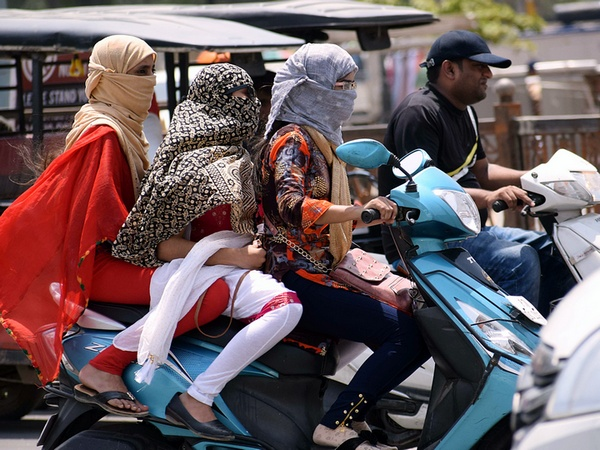
This shows how serious the heat situation has become. Rising temperatures in India are now affecting health, farming, electricity demand, water usage, outdoor work, and indoor comfort. Hotter afternoons, warmer nights, longer heatwave periods, and sudden weather shifts are forcing people to rethink how they live, travel, work, and build.
In this article, we discuss the causes of rising temperatures in India, their impact on agriculture, health, weather patterns, and the economy, and the steps India can take to build better heat resilience in 2026 and beyond.
What Does Rising Temperature in India Mean in 2026?
A normal Indian summer has always been hot. But the concern in 2026 is different. Heatwaves are lasting longer, nights are staying warmer, and many cities are recording temperatures that put pressure on people, buildings, farms, power systems, and public health services.
This rise also changes how seasons behave. A hotter baseline can make pre-monsoon months more intense, increase water demand, disturb crop cycles, and worsen the impact of dry spells. It can also make sudden rainfall more damaging because warmer air can hold more moisture.
Large parts of north, central, and eastern India are seeing high temperatures at the same time. Many cities from Rajasthan, Uttar Pradesh, Madhya Pradesh, Maharashtra, Bihar, and Jharkhand are the hottest cities in the world.
Heatwaves in India: Why 2026 Has Raised Concern
Heatwaves are becoming a bigger concern because they are stretching across many regions and lasting long enough to affect daily life. The India Meteorological Department reported maximum temperatures in the 45°C to 47°C range over parts of Madhya Pradesh, Rajasthan, East Uttar Pradesh, Haryana, and Vidarbha on May 26, 2026. It also warned that heatwave to severe heatwave conditions were likely to continue over central and northwest India for the next few days.
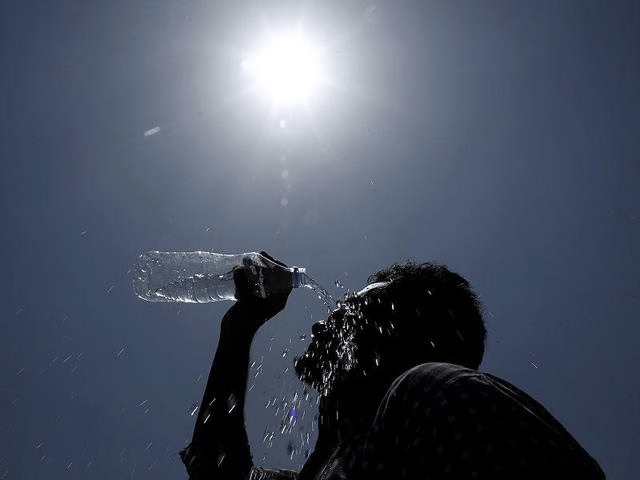
This kind of heat creates pressure at multiple levels. Homes need more cooling. Offices and shops spend more on electricity. Farmers need more water for irrigation. Outdoor workers lose safe working hours. Hospitals see more cases of dehydration, heat exhaustion, and heatstroke.
IMD Weather Warnings and Heat Alerts
IMD weather warnings matter because heat can become dangerous before people realize it. A heat alert helps governments, schools, hospitals, employers, and families prepare in advance.
In 2026, IMD warnings have covered heatwave conditions, severe heatwave conditions, warm nights, and hot and humid weather across different regions. These warnings help local authorities plan water stations, cooling spaces, hospital readiness, school advisories, and work-hour changes.
Why Is India Getting Hotter?
India is getting hotter because several factors are working together. Global warming is raising the baseline temperature, while local changes such as deforestation, dense construction, road expansion, and poor urban planning are making many places feel even hotter.
Here are a few reasons working together behind rising temperatures in India:-
1. Global Warming and Climate Change
Global warming is increasing the average temperature across the planet, and India is feeling its effects clearly. When the baseline temperature rises, heatwaves become more intense because they start from an already warmer point.
For India, this creates a serious challenge. The country has a large population, many outdoor workers, heat-sensitive crops, and fast-growing cities. So, even a small rise in average temperature can create a much larger impact on health, farming, water demand, and electricity use.
2. Deforestation and Loss of Natural Cooling
Trees help cool an area by providing shade, holding soil moisture, and releasing water vapour through a natural process called transpiration. When trees are cut for roads, buildings, industries, and expanding settlements, local temperatures rise faster.
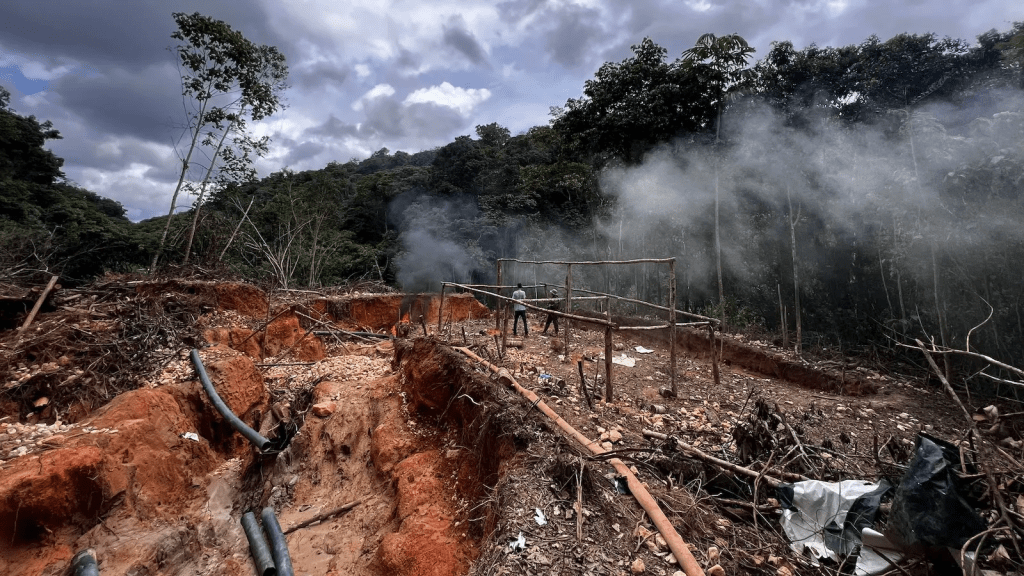
This is why two areas in the same city can feel very different. A shaded colony with trees, gardens, and open soil often feels cooler than a market or commercial zone covered with concrete, asphalt, and metal roofs.
Deforestation also affects rural areas. Less tree cover means drier soil, lower moisture retention, and more heat stress for people, animals, and crops.
3. Urban Heat Island Effect in Indian Cities
The urban heat island effect happens when cities become hotter than nearby rural areas. This happens because concrete roads, glass buildings, parking lots, flyovers, and dense housing absorb heat during the day and release it slowly at night.
That is why many cities now remain hot even after sunset. Warmer nights are especially dangerous because the body gets less time to recover from daytime heat.
In cities like Delhi, Mumbai, Bengaluru, Hyderabad, Ahmedabad, and Jaipur, this effect becomes stronger when green cover reduces and construction density increases. More vehicles, generators, air conditioners, and industrial activity add to the trapped heat.
4. Rapid Construction and Poor Material Choices
India’s cities and towns are expanding quickly. New homes, shops, offices, roads, and commercial buildings are being built every year. But many projects still focus only on speed, cost, and appearance. Heat comfort is often ignored.
Poorly planned buildings trap indoor heat. Weak ventilation, dark roofs, low-quality materials, and lack of insulation can make interiors uncomfortable during summer. This increases dependence on fans, coolers, and air conditioners, which further raises electricity demand.
5. Changing Land Use Patterns
Farmland, wetlands, ponds, and open land naturally help absorb rainwater and regulate temperature. When these areas are replaced by concrete surfaces, local heat increases.
This change also affects drainage and water availability. During summer, it can make areas hotter and drier. During heavy rain, it can increase flooding because the ground has less capacity to absorb water.
How Rising Temperature Affects Agriculture and Food Security
For Indian farmers, the risk is especially high because many crops are grown in open fields with direct exposure to heat. Wheat, rice, pulses, vegetables, fruits, and oilseeds can all face stress during high-temperature periods. Even a short heat spell at the wrong stage can reduce yield and affect quality.
India’s food security depends on how well its farming systems handle rising heat. The government has already studied climate change impact on major crops under the National Innovations in Climate Resilient Agriculture programme. Earlier official projections noted that irrigated rice yields could reduce by 7% by 2050 and 10% by 2080, while wheat yield could reduce by 6% to 25% by 2100 under future climate scenarios.
1. Heat Stress Can Reduce Crop Yield
Heat affects crops most during sensitive growth stages. In wheat, high temperatures during the grain-filling stage can shorten the crop cycle. This means the grain gets less time to develop, which can reduce grain weight and final yield.
Reuters reported in February 2026 that unusually high March temperatures could put wheat and rapeseed crops at risk across Punjab, Haryana, Rajasthan, Uttar Pradesh, and parts of Madhya Pradesh. These states produce more than 80% of India’s wheat and rapeseed.
2. More Heat Means More Irrigation Pressure
As temperatures rise, soil dries faster. Crops then need more water to survive the same growth period. This increases irrigation demand and puts extra pressure on groundwater, canals, reservoirs, and local water systems.
This becomes harder for farmers in areas already facing water stress. Higher heat also increases evaporation from soil and water bodies. So, even when water is available, more of it is lost before it reaches the crop effectively.
Rising temperatures are also changing how farmers work. During severe heatwaves, some farmers shift fieldwork to early mornings, evenings, or even night hours to avoid peak afternoon heat. Recent heatwave reporting from north India showed farmers changing work hours as temperatures reached dangerous levels.
How Rising Temperature Is Changing Monsoon and Weather Patterns
Rising temperature affects how rain forms, how clouds move, and how much moisture the air can hold. This is one reason India is seeing more uneven weather patterns, with intense rainfall in some regions and long dry spells in others.
The monsoon still remains India’s most important rainy season. But higher temperatures can make it more unpredictable. Some areas receive heavy rain in a short period, while others face delayed rainfall or weaker distribution. This creates problems for farming, water storage, city drainage, and disaster planning.
Here’s how rising temperatures in India are affecting weather patterns: –
1. Hotter Air Can Hold More Moisture
Warm air can hold more water vapor. When this moisture builds up and weather conditions trigger rainfall, the rain can become intense. This is why some places now experience short bursts of very heavy rain instead of steady rainfall spread across many days.
For cities, this creates flooding risks. Roads, drains, and low-lying areas get overwhelmed quickly. For farmers, it can damage crops, wash away soil, and delay fieldwork.
2. Floods and Droughts Can Happen in the Same Season
One of the most difficult impacts of changing weather patterns is that floods and droughts can appear in the same monsoon season. A district may face heavy rainfall and waterlogging, while another part of the state may face dry conditions.
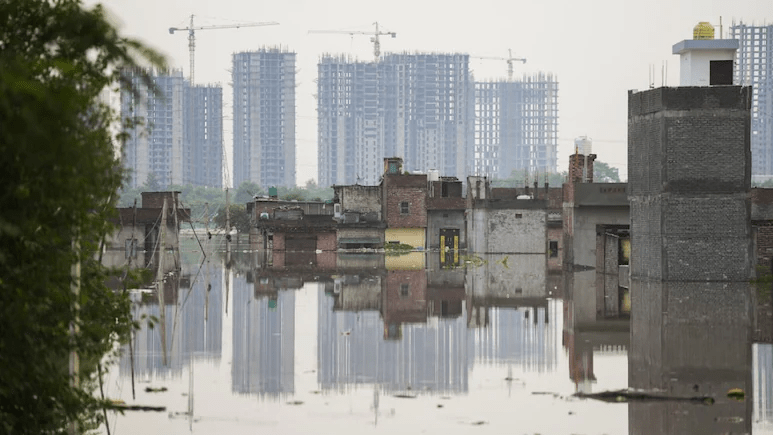
This makes planning harder for farmers, local governments, and water departments. Reservoir management, irrigation scheduling, crop insurance, and disaster response all become more difficult when rainfall becomes less predictable.
3. Warmer Oceans Can Add to Extreme Weather
Rising sea surface temperatures can add more moisture and energy to weather systems. This can increase the risk of heavy rainfall events, stronger cyclonic activity, and sudden weather changes in coastal and nearby inland regions.
For India, this matters because the country has a long coastline and many densely populated coastal cities. Mumbai, Chennai, Kolkata, Kochi, Visakhapatnam, and other coastal regions need stronger climate preparedness as warming affects both heat and rainfall risks.
Health and Livelihood Impact of Rising Temperature
When the body is exposed to extreme heat for long hours, it struggles to cool itself. This can lead to dehydration, fatigue, dizziness, heat exhaustion, and heatstroke.
The risk increases when high daytime temperatures are followed by warm nights. Night-time cooling gives the body time to recover. When nights remain hot, people sleep poorly, recover slowly, and face higher physical stress the next day.
Here are common health concerns because of high temperatures:-
1. Heatstroke
Heatstroke is one of the most dangerous effects of extreme heat. It happens when the body’s temperature rises to unsafe levels and the cooling system fails. Without quick medical attention, it can become life-threatening.
2. Dehydration
Dehydration is another common risk. People lose water and salts through sweat, especially when they work outdoors or travel during peak afternoon heat. If fluids are not replaced properly, dehydration can lead to weakness, confusion, cramps, and fainting.
3. Exhaustion
Heat exhaustion often comes before heatstroke. It can cause heavy sweating, nausea, headache, tiredness, and rapid heartbeat. These signs should not be ignored during heatwave conditions.
4. Insufficent Sleep and Recovery
High night temperatures are a growing concern because they affect sleep. When rooms remain hot even after sunset, people struggle to rest properly. Poor sleep affects concentration, mood, energy, and recovery.
Economic Impact of Extreme Heat in India
When temperatures rise beyond safe limits, people cannot work at the same pace. Machines, buildings, crops, transport systems, and power grids also face stress.
This makes heat a business, farming, labor, and infrastructure issue:-
1. Lower Productivity in Outdoor Jobs
Outdoor workers face the most direct economic loss during heatwaves. Construction workers, farmers, delivery workers, street vendors, traffic police, and daily-wage workers often have to slow down, take more breaks, or avoid afternoon work.
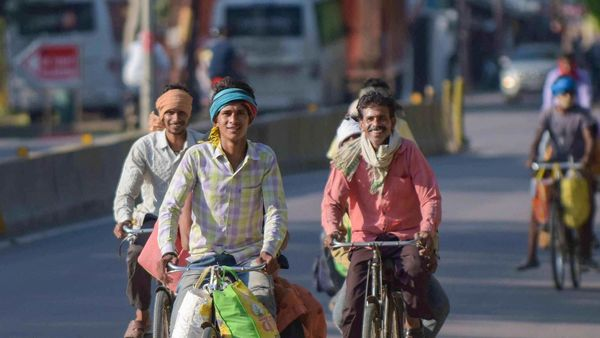
This reduces daily output. For wage workers, it can also reduce income. For businesses, it can delay projects, increase labor costs, and make summer operations harder to manage.
2. Higher Electricity Demand and Cooling Costs
As temperatures rise, homes, shops, offices, schools, factories, and hospitals depend more on fans, coolers, and air conditioners. This increases electricity demand during peak summer months for businesses and households.
3. Pressure on Healthcare Systems
Heatwaves increase cases of dehydration, heat exhaustion, heatstroke, and other heat-related illnesses. Hospitals and clinics need more staff readiness, cooling arrangements, emergency response, and public awareness support.
This adds direct healthcare costs for families and indirect costs for the economy. When people fall sick, they miss work, lose wages, and may need extra care at home.
4. Crop Losses and Food Supply Pressure
Extreme heat can reduce crop yield, damage vegetables and fruits, and increase irrigation needs. When production falls or quality drops, the impact moves through the food supply chain.
5. Delays in Construction and Infrastructure Work
Construction is highly exposed to heat. During severe heatwaves, afternoon work can become unsafe. This can delay housing projects, roadwork, commercial buildings, and public infrastructure projects.
6. Heat Can Affect Consumer Behaviour
High temperatures can change how people spend and move. People may avoid markets during peak afternoon hours, reduce outdoor shopping, and delay non-urgent visits. This affects local businesses, especially street vendors, small retailers, food stalls, and service providers that depend on footfall.
Why Material Choices Matter while Building for a Hotter India
As rising temperature in India becomes a long-term concern, the way homes, offices, shops, and public buildings are designed will matter more. Cooling cannot depend only on fans, coolers, and air conditioners. Buildings also need better ventilation, shade, insulation, and durable materials that can support long-term use.
Here’s how a well-planned building can stay cooler for longer:-
1. Interior Materials Should Support Long-Term Use
Rising temperatures also affect interiors of the household. Furniture, cabinets, partitions, wall panels, wardrobes, and storage units need materials that can handle regular use, seasonal changes, and moisture exposure.
Poor-quality materials may bend, swell, weaken, or lose finish faster in hot and humid conditions. This leads to repairs, replacements, and extra costs. Choosing better materials from the beginning helps create interiors that last longer.
2. Plywood Plays an Important Role in Indian Interiors
Plywood is widely used in Indian homes and offices because it offers strength, flexibility, and durability for many interior applications. It is used in wardrobes, beds, kitchen cabinets, doors, wall panels, office furniture, counters, and partitions.
Good-quality plywood helps carpenters and interior designers build stronger furniture and storage units. It also supports better finishing, screw-holding strength, and stability when compared with weak or unsuitable boards.
3. Durable Materials Help Reduce Waste
When furniture or interior work fails early, it creates waste. The material has to be replaced, transported, and rebuilt. This increases cost for the customer and adds pressure on resources.
Durable plywood and proper grade selection can reduce frequent replacement. For example, areas exposed to moisture need a different plywood grade than dry bedroom furniture. Kitchen shutters, under-sink cabinets, wardrobes, and office partitions cannot be treated the same way.
How Digna Ply Is Playing Its Part Through Quality Plywood
When people choose the right material for the right use, furniture lasts longer, repairs reduce, and wastage comes down. Digna Ply is playing its part by providing quality plywood and hardware solutions that support durable interiors.
Furniture and interior work should not fail within a few years. Poor-quality plywood can bend, swell, lose strength, or get damaged faster when exposed to heat, moisture, and daily wear.
Digna Ply helps customers choose plywood that is suitable for long-term use. This matters in a hotter climate because homes and offices are already facing more stress from heat, humidity, cooling use, and seasonal changes.
For plywood and hardware inquiries, WhatsApp Digna Ply at 8881306046.
Frequently Asked Questions
1. What is the urban heat island effect?
The urban heat island effect happens when cities become hotter than nearby rural areas. Roads, buildings, flyovers, glass surfaces, vehicles, and air conditioners trap and release heat, especially in dense urban areas with limited trees and open spaces.
2. How does rising temperature affect agriculture in India?
Rising temperature affects crops by increasing heat stress, drying soil faster, and raising irrigation demand. Crops like wheat, rice, pulses, fruits, and vegetables can see lower yield or quality when exposed to high heat during sensitive growth stages.
3. What are IMD weather warnings?
IMD weather warnings are official alerts issued by the India Meteorological Department for weather risks such as heatwaves, heavy rainfall, storms, cyclones, and cold waves. During summer, heatwave alerts help people, hospitals, schools, employers, and local authorities prepare in advance.
4. What is a heat action plan?
A heat action plan is a local or state-level strategy to reduce heatwave risks. It usually includes early warnings, public awareness, drinking water points, medical preparedness, cooling spaces, and special support for children, elderly people, outdoor workers, and patients.
5. How can better construction help during hotter summers?
Better construction can reduce indoor heat through ventilation, shading, roof insulation, reflective surfaces, green cover, and durable materials. These choices can make homes, offices, shops, and public buildings more comfortable during extreme heat.


Leave a Reply