When people compare plywood, they usually look at thickness, grade, price, or brand. One factor that often gets ignored is the tree species used to make the plywood. The wood used in the core and face layers can affect strength, weight, finish, durability, and how well the plywood performs in different spaces.
But not every plywood sheet is made from the same type of wood. Some use hardwood species like gurjan, eucalyptus, birch, acacia, or poplar. Others use softwood species like pine, spruce, cedar, or Douglas fir. Fast-growing plantation trees like Rubberwood and Melia dubia are also used in plywood manufacturing.
This guide will help you compare different trees used for plywood, where each one works best, and how to choose the right plywood for your home, office, or commercial project.
Hardwood vs Softwood Plywood: What’s the Difference?
Plywood is usually made from either hardwood trees, softwood trees, or a mix of both. The difference is not only about how “hard” the wood feels. It also depends on the tree type, density, grain, growth cycle, strength, and how the veneer behaves during manufacturing.
Hardwood plywood is generally preferred for furniture and interior work because it offers better strength, surface finish, and durability. Softwood plywood is often used in construction, packaging, roofing, wall panels, and utility projects where large panels are needed at a lower cost.
1. Hardwood Plywood
Hardwood plywood is made from trees such as gurjan, eucalyptus, birch, acacia, oak, maple, poplar, rubberwood, and mahogany. These woods usually have higher density and better surface quality, which makes them useful for visible furniture and long-term interior applications.
For example, a cabinet, wardrobe, kitchen unit, or office storage system needs plywood that can hold screws properly and handle daily usage. In such cases, hardwood plywood is usually a better choice because it offers stronger bonding, better load capacity, and a cleaner finish.
2. Softwood Plywood
Softwood plywood is made from trees such as pine, Douglas fir, spruce, and cedar. These woods are generally lighter and easier to cut, which makes them suitable for construction, wall panels, temporary structures, packaging, and other utility applications.
Softwood plywood is not always the first choice for premium furniture. However, it can work well where the main requirements are cost control, light weight, and ease of installation.
A quick comparison of Hardwood and Softwood Plywood:-
| Factor | Hardwood Plywood | Softwood Plywood |
| Common trees | Gurjan, eucalyptus, birch, acacia, poplar, rubberwood | Pine, Douglas fir, spruce, cedar |
| Strength | Usually higher | Moderate to high, depending on species |
| Weight | Heavier in most cases | Lighter in most cases |
| Surface finish | Better for furniture and visible panels | More suitable for utility use |
| Cost | Usually higher | Usually more budget-friendly |
| Common uses | Furniture, kitchens, cabinets, doors, office interiors | Construction, packaging, roofing, wall panels |
| Best suited for | Long-term interior and furniture applications | Structural, utility, and cost-sensitive applications |
Common Trees Used for Plywood Manufacturing
Different trees give plywood different properties. Some make the plywood stronger. Some make it lighter. Some improve the surface finish, while others help reduce cost. That is why plywood manufacturers often choose the wood species based on the final use of the sheet.
In many cases, a plywood sheet may also use different woods for the core and face veneers. For example, the core may use poplar, eucalyptus, rubberwood, or Melia-Dubia, while the face veneer may use a better-looking hardwood for a smoother finish. Here are the most common trees used in plywood manufacturing.
1. Pine
Pine is one of the most common softwood species used for plywood. It is lightweight, easy to cut, and generally more affordable than many hardwood options. This makes pine plywood useful for packaging, wall panels, temporary structures, basic furniture, and low-load interior applications.
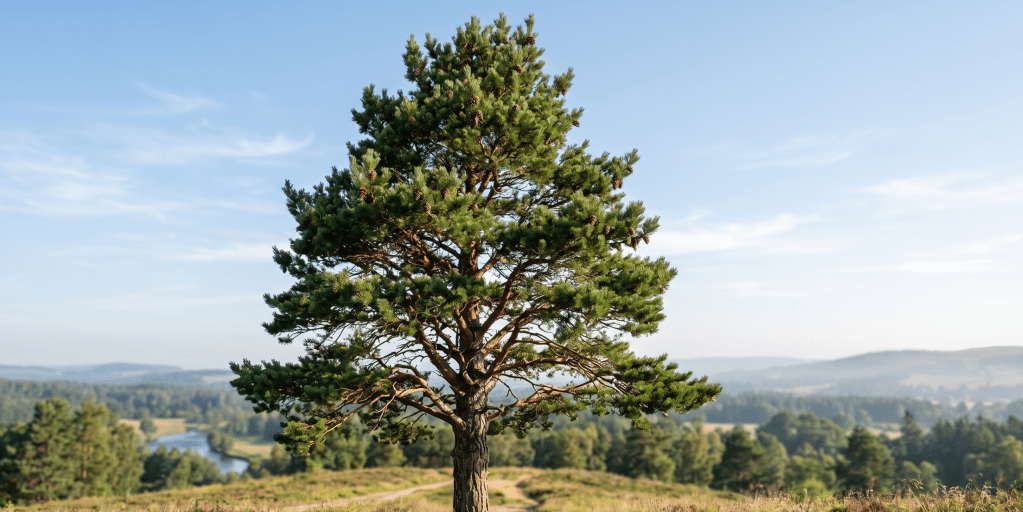
Pine is also easy to machine, which helps during cutting, drilling, and installation. However, it may not be the best choice for heavy furniture or moisture-prone spaces unless the plywood is properly treated and bonded with the right adhesive.
2. Douglas Fir
Douglas fir is a strong softwood often used in structural plywood. It has good stiffness, strength, and nail-holding capacity, which makes it suitable for construction panels, flooring underlayment, roof sheathing, wall sheathing, and formwork.
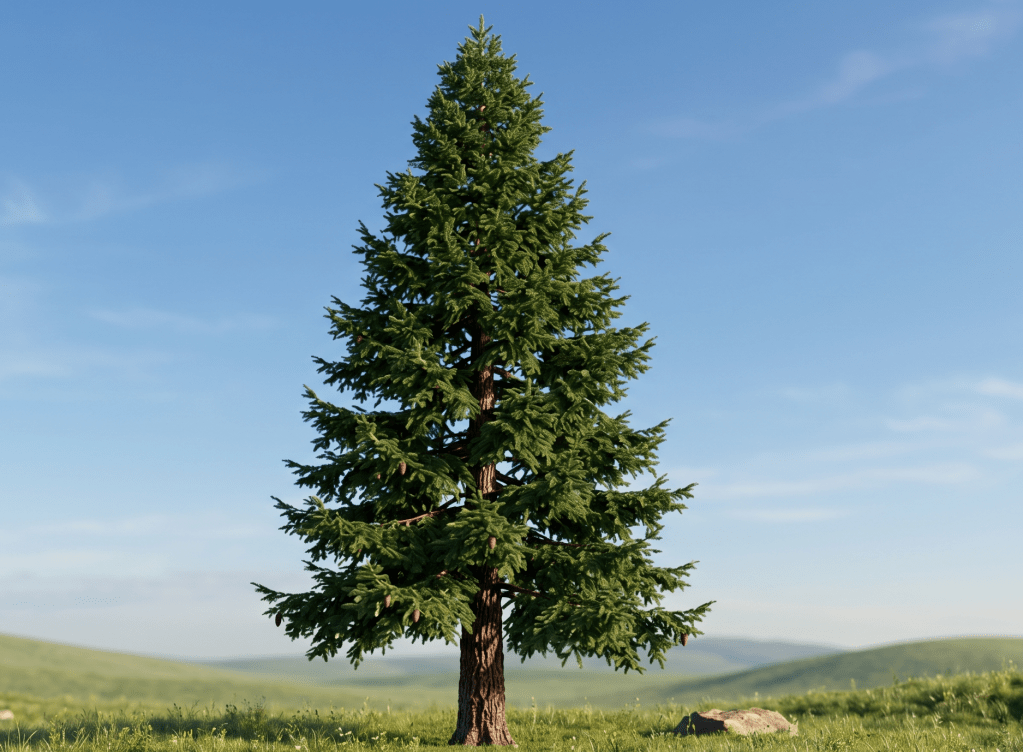
Douglas fir plywood is more common in international construction markets than in everyday Indian furniture plywood. It is valued where the plywood needs to perform in structural applications rather than in decorative interiors.
3. Spruce
Spruce is another softwood used in general-purpose and structural plywood. It is light, easy to work with, and suitable for applications where the plywood does not need a premium surface finish.
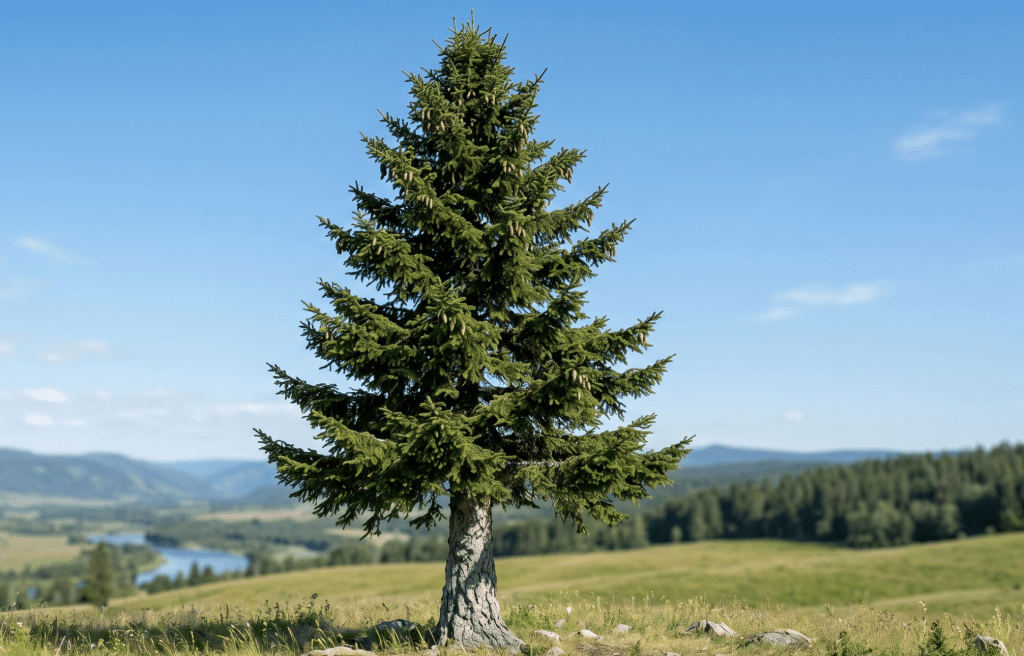
Spruce plywood is often used for packaging, construction panels, utility boards, and low-cost interiors. It is not usually preferred for high-end furniture because hardwood veneers generally offer a cleaner and more refined surface.
4. Cedar
Cedar is known for its natural resistance to decay, insects, and outdoor exposure. Because of this, cedar plywood can be useful for exterior panels, outdoor furniture, decorative cladding, and spaces where moisture exposure is higher.
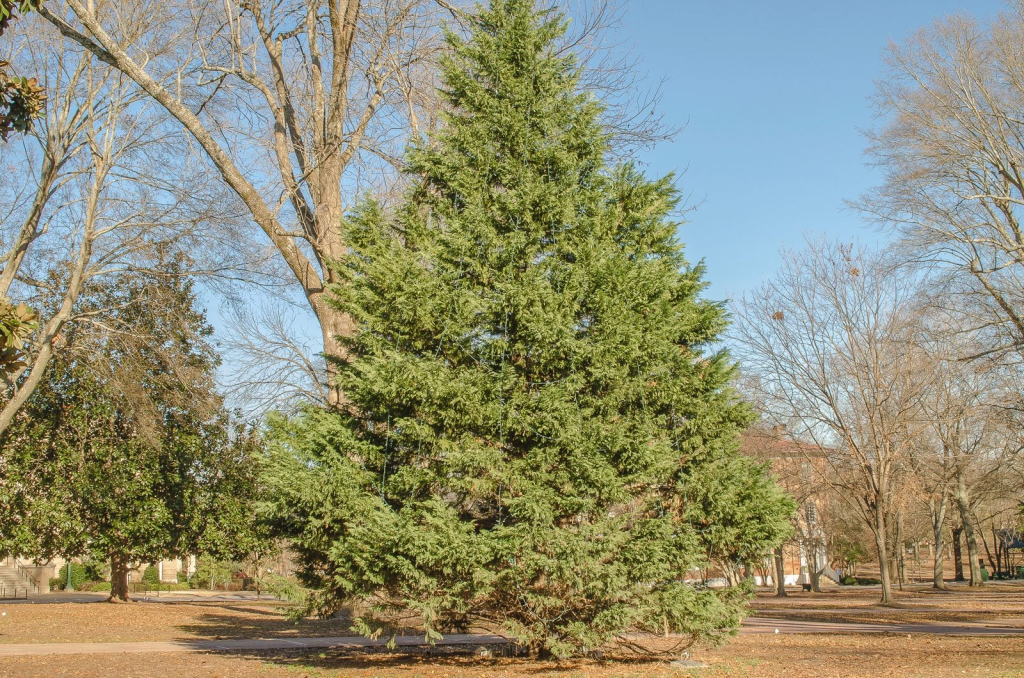
Cedar is not always chosen for regular furniture because it can be costlier than basic softwood plywood. It is better suited for specific uses where natural durability and outdoor performance matter.
5. Poplar
Poplar is widely used as a plywood core material. It is lightweight, stable, and cost-effective, which makes it useful for furniture, cabinets, shelves, wall panels, and interior applications.
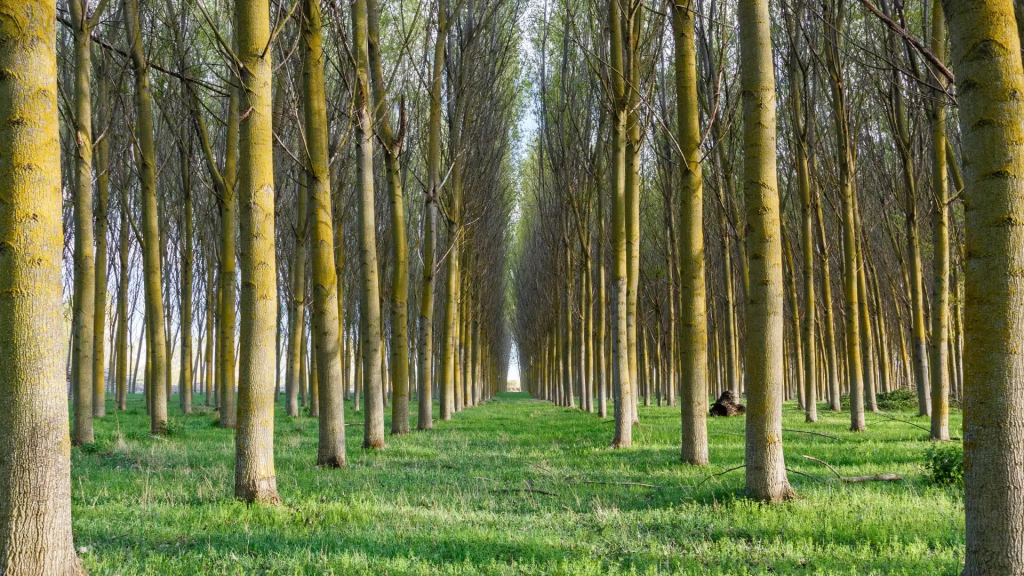
Poplar plywood is easy to handle and install. It also takes laminates, veneers, and finishes fairly well. However, for heavy-load applications or wet areas, buyers may prefer denser hardwood plywood or higher-grade BWR and BWP options.
6. Birch
Birch is considered a premium plywood species because of its strength, fine grain, smooth surface, and good screw-holding ability. It is often used in furniture, cabinetry, drawers, modular interiors, laser cutting, and high-quality joinery.
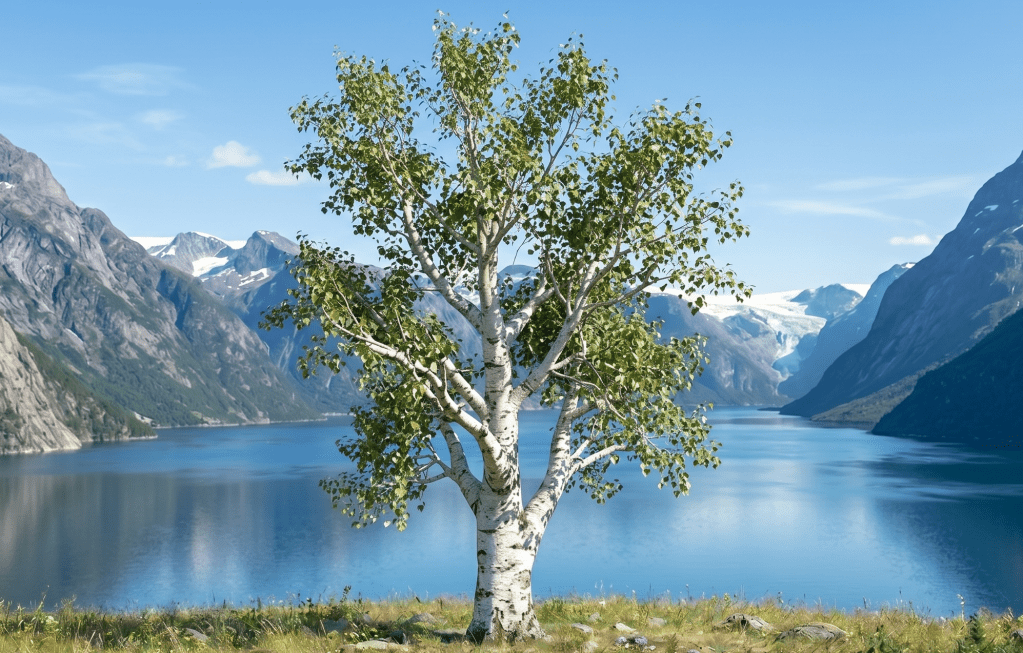
Birch plywood is especially useful where precision and finish matter. It is usually more expensive than basic plywood, but it gives better performance in applications that need strength, stability, and a clean surface.
7. Eucalyptus
Eucalyptus is a dense and strong hardwood used in quality plywood manufacturing. It offers good strength and durability when properly seasoned, peeled, dried, and pressed.
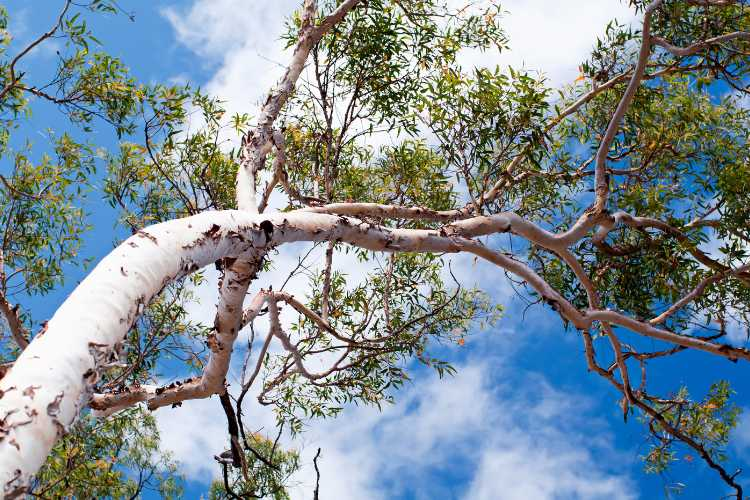
Eucalyptus plywood is commonly used for furniture, doors, office interiors, partitions, and commercial projects. Because it is harder and denser than many lightweight woods, it can offer better load-bearing capacity and longer life.
8. Gurjan
Gurjan is one of the most preferred hardwoods for high-performance plywood. It is dense, strong, and durable, which makes it suitable for BWP, marine, and heavy-duty plywood applications.
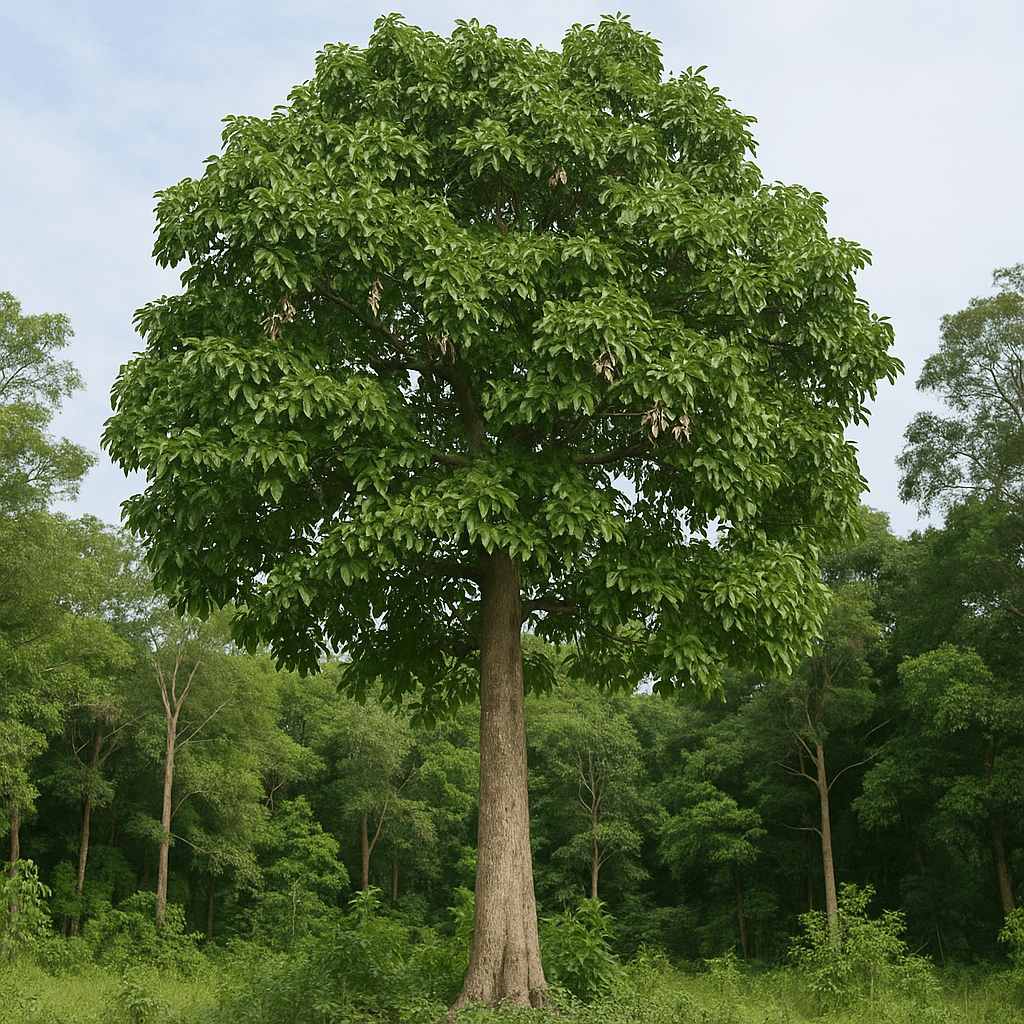
Gurjan plywood is often used in kitchens, bathrooms, doors, furniture, and areas where moisture exposure is a concern. However, buyers should still check the plywood grade, adhesive quality, and brand reliability because the final performance depends on more than the tree species alone.
9. Acacia
Acacia is a hard and durable wood used in plywood and furniture applications. It offers good strength and resistance, making it suitable for doors, furniture, panels, and interior projects.
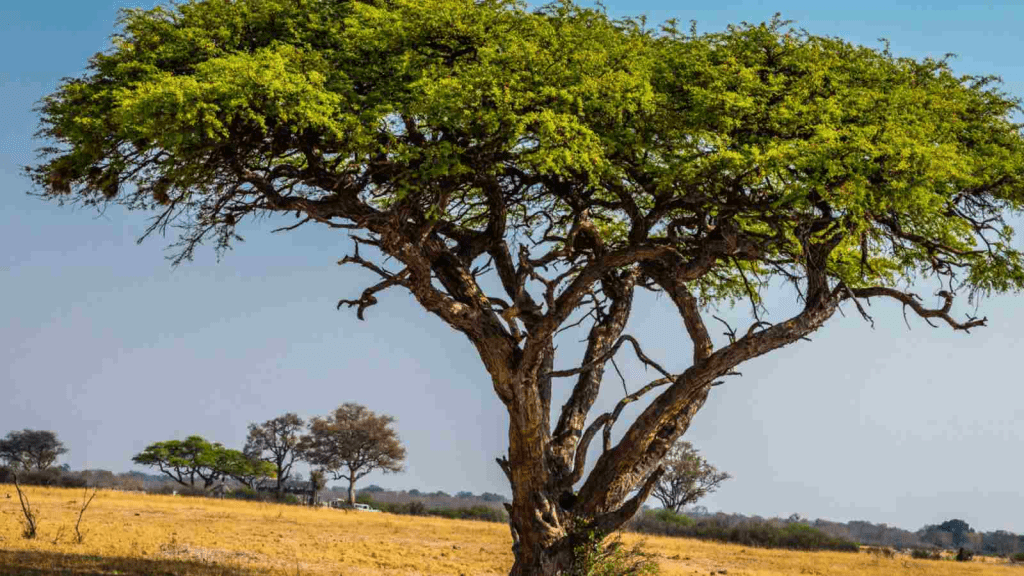
Acacia plywood can be a practical choice where buyers want stronger plywood without moving into very expensive premium categories. It is also valued for its density and ability to handle regular wear in interior spaces.
10. Rubberwood
Rubberwood is a plantation-grown hardwood often used in furniture and engineered wood products. It is cost-effective, reasonably stable, and makes good use of trees that have completed their latex-producing cycle.
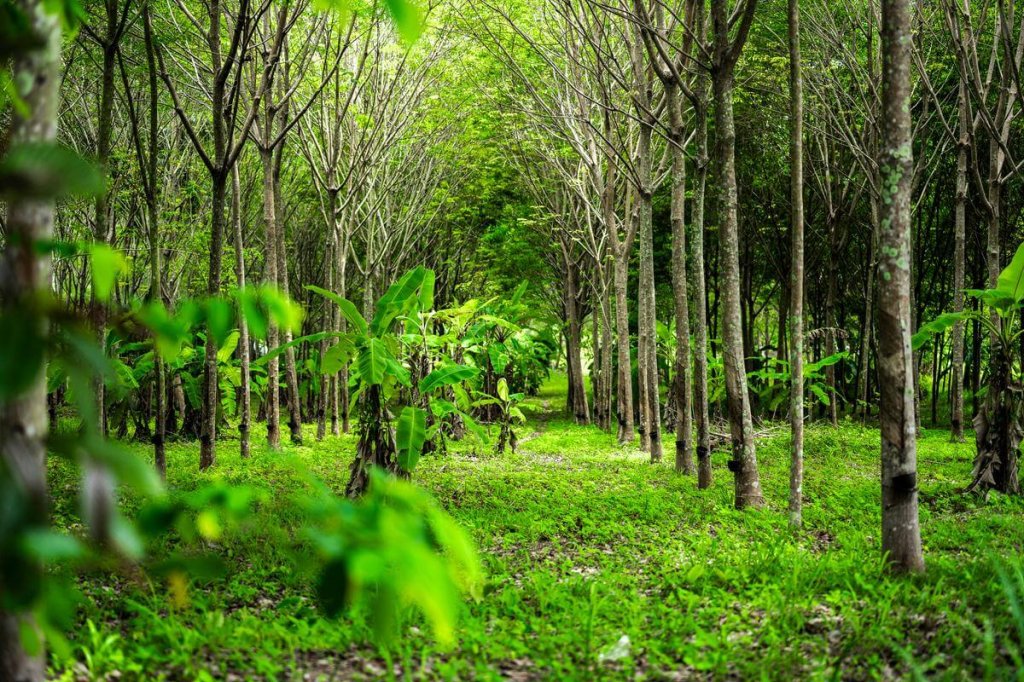
Rubberwood can be used in plywood core layers, furniture, and interior panels. However, it needs proper seasoning and treatment because untreated rubberwood can be vulnerable to moisture and pests.
11. Melia-Dubia / Malabar Neem
Melia-Dubia, also known as Malabar Neem, is a fast-growing plantation tree increasingly used in plywood manufacturing. It is lightweight, easy to process, and suitable for core veneers.
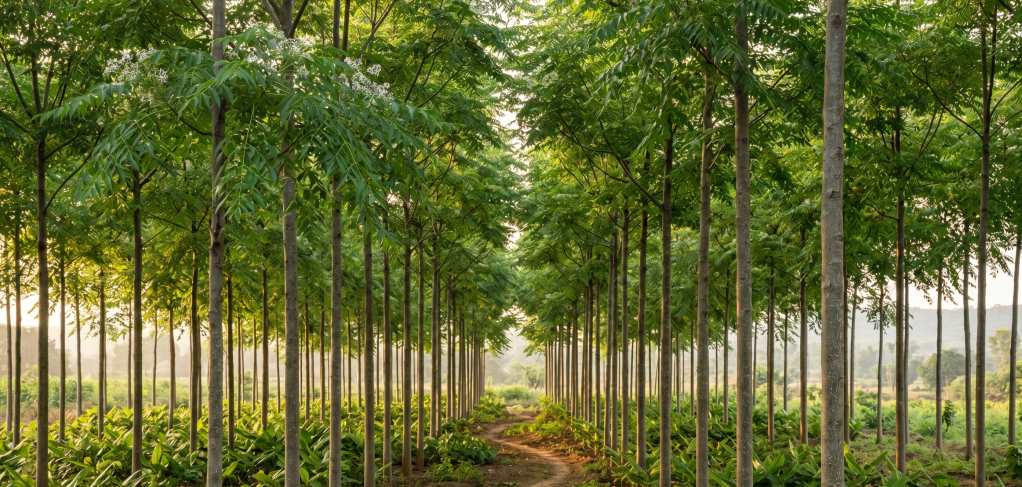
Because it grows faster than many traditional hardwoods, Melia-Dubia can support cost-effective plywood production. But as with any species, final quality depends on proper drying, bonding, pressing, and grading.
12. Teak
Teak is a premium hardwood known for its natural oils, moisture resistance, durability, and rich appearance. It is often used in decorative plywood, premium furniture, marine-grade applications, and high-end interiors.
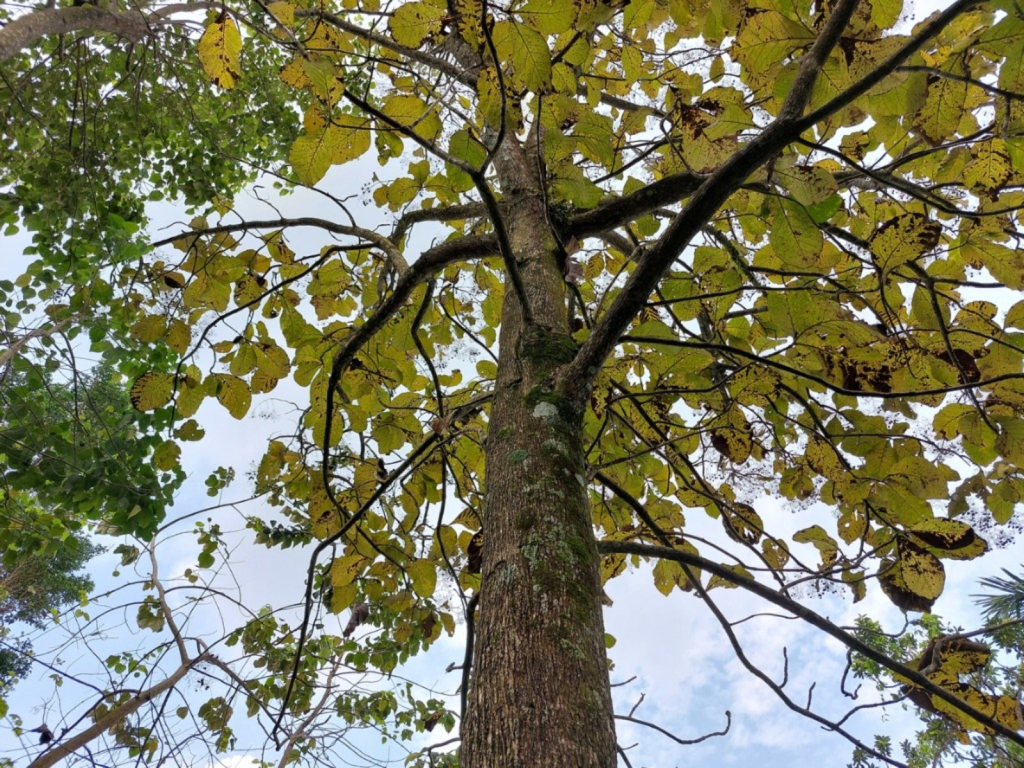
Teak-based plywood is usually expensive, so it may not be necessary for every project. It makes more sense where appearance, long-term durability, and moisture resistance are important.
13. Mahogany
Mahogany is valued for its attractive grain, workability, and smooth finish. It is commonly used in decorative plywood, furniture, doors, panels, and interior design applications.
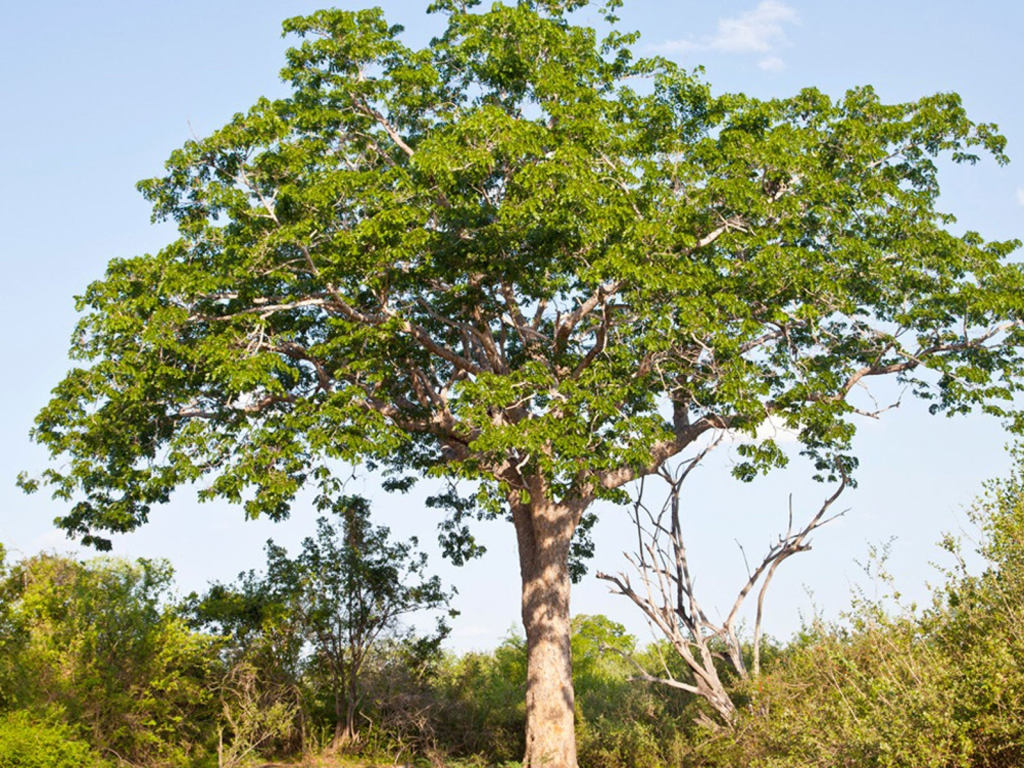
Mahogany plywood is generally chosen when visual appeal matters. It is less about budget utility and more about finish, warmth, and premium interior use.
How Tree Species Affect Plywood Quality
The tree species used in plywood has a direct impact on how the sheet performs. Two plywood sheets may look similar from the outside, but their strength, weight, finish, and durability can be very different based on the wood used inside.
This is why buyers should not choose plywood only by thickness or price. The right tree species can make the plywood better suited for furniture, kitchens, office interiors, doors, partitions, or commercial use.
1. Strength and Load-Bearing Capacity
Dense hardwood species usually offer better strength than lightweight softwoods. Woods like gurjan, eucalyptus, birch, and acacia are often preferred for applications where the plywood needs to handle weight, screws, hinges, and daily usage.
For example, wardrobes, kitchen cabinets, office storage units, beds, and doors need plywood that can stay stable over time. If the core wood is weak or poorly bonded, the sheet may bend, crack, or lose screw grip faster.
2. Moisture Resistance
Moisture resistance depends on both the wood species and the adhesive used during manufacturing. Some woods naturally perform better in damp conditions, but plywood also needs the right grade and bonding quality.
Gurjan, eucalyptus, teak, and properly treated hardwood plywood are often better suited for kitchens, bathrooms, utility areas, and other moisture-prone spaces. However, buyers should still check whether the plywood is MR, BWR, BWP, or marine grade before making a final choice.
3. Surface Finish
The face veneer affects how the plywood looks after polishing, laminating, or painting. Woods like birch, teak, mahogany, oak, and maple are often used where the surface appearance matters.
For premium furniture, visible panels, wall cladding, and decorative interiors, a smooth and uniform face veneer can make a big difference. On the other hand, plywood used inside cabinets or hidden structures may not need an expensive decorative face.
4. Weight and Workability
Lighter woods like poplar, pine, spruce, rubberwood, and Melia-Dubia are easier to cut, carry, and install. This makes them useful for interior panels, shelves, partitions, and projects where easy handling matters.
Denser woods like gurjan, eucalyptus, birch, and acacia are usually heavier. They may take more effort to cut and install, but they can offer better strength and durability for long-term use.
5. Cost and Availability
Tree species also affect plywood pricing. Fast-growing plantation species like rubberwood and Melia-Dubia are often more cost-effective. Premium hardwoods like teak, birch, mahogany, and gurjan usually cost more because of their durability, finish, or limited availability.
That said, the most expensive plywood is not always the right plywood. A budget-friendly core may work well for basic interiors, while high-density hardwood plywood is better for heavy-use furniture, doors, and moisture-prone areas.
How Plywood is Made from Trees
Plywood manufacturing starts with selecting the right logs. These logs are chosen based on tree species, diameter, density, moisture level, and visible defects. A good-quality log produces better veneers, which directly improves the strength, finish, and life of the plywood sheet.
Once the logs are selected, they go through a step-by-step manufacturing process. Each stage matters because even good wood can result in poor plywood if it is not peeled, dried, bonded, and pressed correctly.
Step 1: Log Selection
Manufacturers first select logs suitable for plywood production. The logs should have the right size, straightness, and density. Logs with too many cracks, knots, or decay may produce weak veneers.
Different logs are chosen for different purposes. For example, gurjan and eucalyptus may be used for stronger plywood, while poplar, rubberwood, or Melia-Dubia may be used for lighter core veneers.
Step 2: Conditioning the Logs
Before peeling, logs are often softened through soaking, steaming, or heating. This makes the wood easier to peel into thin veneer sheets.
Proper conditioning also reduces veneer cracks and improves peeling quality. If this step is not done well, the veneer may break, split, or come out uneven.
Step 3: Veneer Peeling
The softened logs are placed on a rotary peeling machine. The machine rotates the log while a sharp blade peels it into thin veneer sheets.
This is one of the most important steps in plywood manufacturing. Thin and even veneers help create stronger bonding and a smoother final sheet.
Step 4: Veneer Drying
Freshly peeled veneers contain moisture. These veneers are dried to bring the moisture level under control before bonding.
If veneers are too wet, the adhesive may not bond properly. If they are too dry, they may become brittle. Balanced drying helps the plywood stay stable after pressing.
Step 5: Veneer Grading
Once dried, veneers are sorted based on quality. Better-looking veneers are usually used for the face and back layers. Veneers with minor defects may be used inside the core.
This is why the outer surface of plywood may look cleaner than the inner layers. But the core still needs to be strong and properly bonded for long-term performance.
Step 6: Glue Application and Layering
Adhesive is applied between veneer layers. The layers are arranged with the grain direction crossing each other. This cross-grain structure gives plywood its strength and stability.
The adhesive type also matters. MR, BWR, BWP, and marine-grade plywood use different bonding standards depending on where the plywood will be used.
Step 7: Hot Pressing
The layered veneers are pressed under heat and pressure. This bonds the veneers together and turns them into a solid plywood sheet.
Good hot pressing improves strength, bonding, and shape stability. Poor pressing can lead to gaps, weak bonding, or sheet separation over time.
Step 8: Trimming, Sanding, and Testing
After pressing, plywood sheets are trimmed to standard sizes and sanded for a smoother surface. The sheets may also be tested for thickness, bonding, moisture resistance, and visible defects.
This final stage helps decide the grade and application of the plywood. A well-made sheet should feel stable, flat, properly bonded, and suitable for its intended use.
Sustainability in Plywood Tree Selection
Tree selection in plywood also affects how responsibly the plywood is made. Some trees take decades to grow, while others can be harvested faster through managed plantations. This is why many plywood manufacturers now use plantation-grown species along with traditional hardwoods.
Fast-growing trees help reduce pressure on slow-growing forests. They also make plywood production more predictable and cost-effective. However, buyers should remember one thing: a fast-growing tree does not automatically mean good plywood. The wood still needs proper seasoning, drying, bonding, pressing, and quality checks.
Plantation-Grown Trees Used in Plywood
Species like rubberwood and Melia-Dubia are often used because they grow faster and can be sourced from managed plantations. Rubberwood is commonly used after the tree completes its latex-producing cycle, which makes better use of an existing resource.
Melia-Dubia, also known as Malabar Neem, is another fast-growing tree used for plywood core veneers. It is lightweight and easy to process, making it useful for cost-effective plywood sheets. These plantation species are especially useful for interior plywood, core construction, and budget-sensitive projects.
Why Responsible Sourcing Matters
Plywood made from poorly sourced wood can contribute to forest loss and inconsistent product quality. Responsible sourcing helps ensure that the wood comes from managed forests, plantations, or verified supply chains.
For buyers, this means checking more than the plywood surface. It is better to ask about the brand, grade, source, and certifications wherever available. A reliable plywood supplier should be able to guide you on which plywood suits your requirement and whether it is made from responsibly sourced wood.
Certifications and Quality Checks
Certifications can help buyers identify plywood made under better sourcing and manufacturing standards. But certification alone should not be the only deciding factor. Buyers should also check the plywood grade, adhesive type, core quality, thickness, and intended application.
For example, plywood used in kitchens, bathrooms, or commercial interiors needs better bonding and moisture resistance. In such cases, choosing the right grade matters as much as choosing the right tree species.
Choose the Right Plywood with Digna Ply
At Digna Ply, we help customers choose plywood based on actual use, not just price or surface appearance. Whether you need plywood for home furniture, kitchens, office interiors, doors, partitions, storage units, or commercial projects, we can guide you toward a suitable option.
You can also compare different plywood types based on budget, grade, thickness, and durability before making the purchase. This helps you avoid both under-buying and over-spending.
If you need help choosing the right plywood for your project, WhatsApp Digna Ply at 8881306046 for product guidance and pricing.
Frequently Asked Questions
Which tree is best for plywood?
There is no single best tree for plywood. The right tree depends on where the plywood will be used. Gurjan, eucalyptus, birch, acacia, and poplar are common choices for furniture, interiors, doors, and commercial projects. For moisture-prone areas, durable hardwood species like gurjan, eucalyptus, and teak are often preferred. For lightweight interior work, poplar, rubberwood, pine, or Melia-Dubia may also work well.
Which trees are commonly used for plywood in India?
Common plywood trees in India include gurjan, eucalyptus, poplar, rubberwood, Melia-Dubia, acacia, and pine. Some premium plywood products may also use teak, birch, or mahogany veneers.
Is hardwood plywood better than softwood plywood?
Hardwood plywood is usually better for furniture, cabinets, doors, kitchens, and long-term interior use. It generally offers better strength, surface finish, and screw-holding capacity. Softwood plywood is often used for construction, packaging, roofing, wall panels, and utility applications. It can be lighter and more cost-effective but may not always be suitable for premium furniture.
Which tree is used for marine plywood?
Marine plywood is commonly made using durable hardwood species such as gurjan or teak. However, marine plywood is not defined only by the tree species. It also needs waterproof adhesive, strong bonding, and proper manufacturing quality.
Is pine plywood good for furniture?
Pine plywood can be used for basic furniture, temporary furniture, shelves, packaging, and light-use interior work. It is lightweight, easy to cut, and usually more budget-friendly. Pine plywood may not be the best option for heavy furniture, kitchens, bathrooms, or high-load applications. For those uses, hardwood plywood is generally a better choice.
What is Melia-Dubia plywood used for?
Melia-Dubia, also called Malabar Neem, is commonly used for plywood core veneers. It is lightweight, fast-growing, and easy to process, which makes it useful for cost-effective plywood manufacturing. It is often used in interior plywood and core construction. However, the final plywood quality depends on drying, bonding, pressing, and grading.
Does tree species matter more than plywood grade?
No. Tree species and plywood grade both matter. Tree species affect strength, weight, finish, and workability. Plywood grade affects water resistance, durability, and suitability for different applications. For example, a strong wood species may still perform poorly if the bonding quality is weak. Similarly, the right plywood grade can make a big difference in kitchens, bathrooms, and moisture-prone spaces.


Leave a Reply