Plywood is one of the most widely used materials in furniture, interiors, construction, and commercial fit-outs. From wardrobes and kitchen cabinets to wall panels, flooring, roofing, and outdoor structures, plywood is often chosen because it offers a strong balance of strength, stability, workability, and cost.
But not every plywood sheet is made for the same job. A sheet that works well for a cabinet may not be the right choice for roofing. Marine grade plywood may be useful in moisture-prone areas, but it may be more than what you need for a simple interior shelf. Similarly, plywood grade, thickness, core material, and finish can all affect how long the final product lasts.
In this guide, we will walk through the main types of plywood, plywood grades, specialty options like marine plywood and CDX plywood, common thicknesses, and project-wise selection tips.
What Are the Main Types of Plywood?
Plywood is usually classified by the wood used, the core material, and the purpose it is made for. Some plywood types are designed for strength, while others are preferred for surface finish, furniture work, or cost-effective interiors.
i) Hardwood Plywood
Hardwood plywood is made using veneers from hardwood trees such as birch, oak, maple, or similar species. It is known for its strength, smooth surface, and better finish quality.
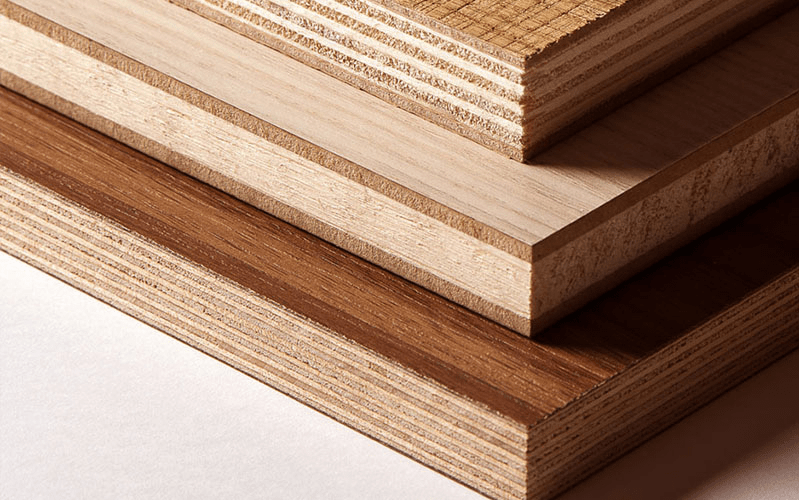
This type of plywood is commonly used for furniture, cabinets, wall panels, shelves, doors, and decorative interiors. It is a good option when the plywood surface will be visible, painted, polished, or laminated.
ii) Softwood Plywood
Softwood plywood is made using wood from trees such as pine, fir, spruce, or cedar. It is generally used in construction and structural applications where strength and coverage matter more than surface appearance.
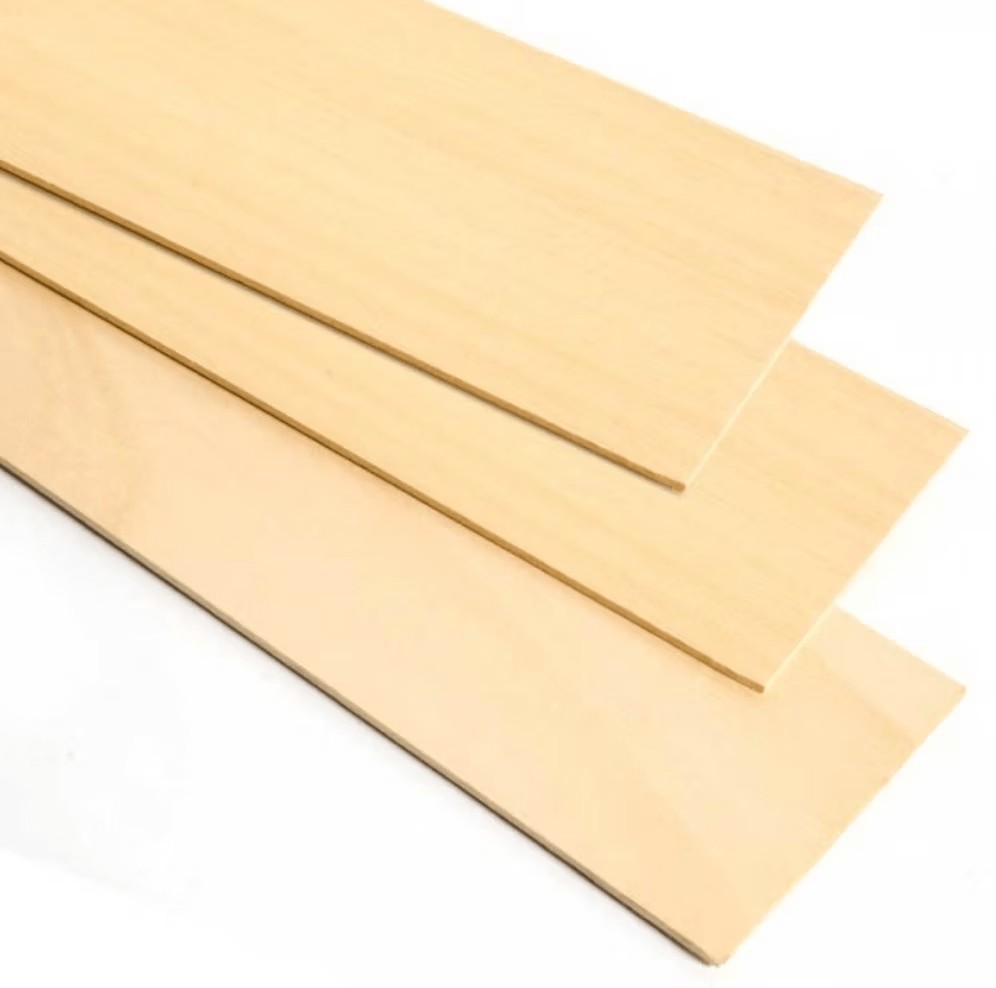
You will often find softwood plywood in roofing, wall sheathing, subflooring, temporary structures, and packaging work. It is usually more economical than hardwood plywood.
iii) Composite Core Plywood
Composite core plywood uses engineered materials like MDF or particle board in the core, with plywood or veneer layers on the surface. It offers a smooth finish and can be useful for interior furniture, panels, and decorative applications.
However, composite core plywood may not offer the same screw-holding strength or moisture resistance as high-quality veneer-core plywood. It is best used in dry indoor areas.
iv) Structural Plywood
Structural plywood is made for load-bearing applications. It is manufactured to meet strength and durability requirements for construction use.
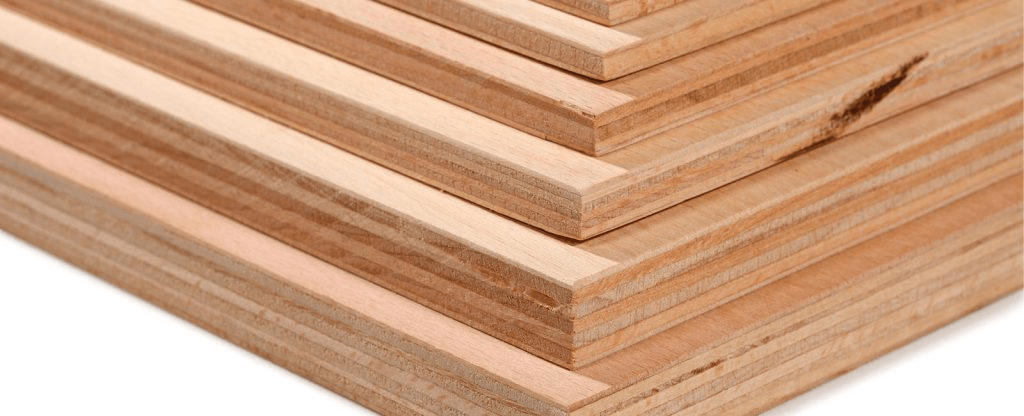
It is commonly used in flooring, roofing, formwork, beams, wall panels, and other applications where the plywood must support weight or resist stress. For such uses, buyers should always check the plywood rating and suitability before purchase.
How Do Plywood Grades Work?
Plywood grades tell you about the surface quality of the sheet. They usually refer to how smooth the face is, how many knots or repairs are visible, and whether the plywood is suitable for visible or hidden use.
The most common grading scale runs from A to D. Grade A has the cleanest surface, while Grade D has the roughest surface. This does not always mean Grade D is weak. It simply means the surface finish is not meant for decorative use.
i) Grade A Plywood
Grade A plywood has a smooth, clean, and sanded surface with very few visible defects. It is usually used for premium furniture, cabinets, shelves, wall panels, and other visible applications where finish matters.
ii) Grade B Plywood
Grade B plywood may have small knots, patches, or minor repairs, but the surface is still fairly smooth. It can be used for furniture, cabinets, and interiors where small imperfections can be covered with paint, laminate, or polish.
iii) Grade C Plywood
Grade C plywood has more visible knots, repairs, and surface defects. It is commonly used for backing panels, crates, temporary structures, and areas where appearance is not the main concern.
iv) Grade D Plywood
Grade D plywood has the roughest surface and may include larger knots or visible flaws. It is usually used in hidden, rough, or structural applications where surface finish does not matter.
| Plywood Grade | Surface Quality | Best Used For | Finish Level |
| Grade A | Smooth and clean | Premium furniture, cabinets, visible panels | High |
| Grade B | Minor defects | Furniture, interiors, painted or laminated surfaces | Medium to high |
| Grade C | Visible knots and repairs | Backing panels, crates, utility work | Basic |
| Grade D | Rough surface | Hidden construction and rough use | Low |
Specialty Plywood Types and Where They Are Used
Apart from hardwood, softwood, and structural plywood, there are several specialty plywood types made for specific use cases. These are often chosen based on exposure to moisture, surface finish, load-bearing needs, or construction requirements.
i) Marine-Grade Plywood
Marine-grade plywood is made with high-quality veneers and water-resistant adhesive. It is commonly used in areas exposed to moisture, such as kitchens, bathrooms, boats, outdoor furniture, and damp environments.
However, marine plywood is not automatically waterproof forever. It still needs proper sealing, finishing, and maintenance when used in areas with regular water exposure.
ii) CDX Plywood
CDX plywood is widely used in construction, especially for roofing, wall sheathing, and subflooring. The “C” and “D” refer to the surface grades on each side, while “X” indicates that the glue can handle some exposure to moisture.
It is a practical choice for rough construction work, but it is not meant for visible furniture or decorative finishes.
iii) ACX Plywood
ACX plywood has one high-quality “A” face and one rougher “C” face. The “X” indicates exterior-grade adhesive, making it more suitable for applications where one side needs a cleaner finish and the sheet may face limited moisture exposure.
It is often used for outdoor panels, utility cabinets, and projects where only one side will remain visible.
iv) Sanded Plywood
Sanded plywood has a smoother surface and is easier to paint, polish, laminate, or stain. It is commonly used for shelves, cabinets, furniture, wall panels, and interior projects where surface appearance matters.
It is a good option when the final look depends on a neat and even finish.
v) Lumber Core Plywood
Lumber core plywood has a core made from strips of solid wood placed between veneer layers. It offers good screw-holding strength and stability.
It is often used for doors, long shelves, partitions, and large panels where the plywood needs to stay firm and hold fittings well.
Plywood Thickness and Sheet Size Guide
The right plywood also depends on thickness and sheet size. A thin sheet may work well for drawer bottoms or wall panels, but it may bend under weight if used for shelves or cabinets. A thicker sheet offers better strength, but it also costs more and adds weight.
i) Standard Plywood Sheet Sizes
The most common plywood sheet size is 8×4 ft, which is widely used for furniture, interiors, partitions, wall panels, and construction work. Other sizes may also be available depending on the supplier, plywood type, and project requirement.
Before buying, always confirm the sheet size, thickness, and grade with your supplier. This helps reduce wastage and ensures the plywood fits your design or site requirement.
ii) Common Plywood Thickness Options
Different thicknesses are used for different applications. Here is a simple reference table:
| Plywood Thickness | Common Uses |
| 4 mm to 6 mm | Drawer bottoms, wall panels, lightweight interiors |
| 9 mm to 12 mm | Furniture backing, partitions, cabinet backs |
| 16 mm to 18 mm | Wardrobes, shelves, kitchen cabinets, modular furniture |
| 19 mm and above | Doors, heavy-duty furniture, structural applications |
iii) Nominal vs Actual Thickness
Plywood thickness may slightly vary from the stated size. For example, a sheet sold as 18 mm may be marginally thinner depending on manufacturing standards and finishing.
This is why it is better to check the actual thickness before buying, especially for modular furniture, cabinets, doors, and projects where exact measurements matter.
How to Choose the Right Plywood for Your Project
The best plywood depends on the project, expected usage, finish requirement, and exposure to moisture or weight. Instead of choosing only by price, match the plywood type and thickness to the job.
i) Best Plywood for Furniture and Cabinets
For furniture, cabinets, shelves, and wardrobes, hardwood plywood, cabinet-grade plywood, or sanded plywood usually works well. These options offer better surface finish and can be painted, laminated, polished, or veneered.
For most modular furniture, 16 mm to 18 mm plywood is commonly used. For lighter panels, backs, or drawer bottoms, thinner plywood may be enough.
ii) Best Plywood for Kitchens and Moisture-Prone Areas
Kitchens, bathrooms, utility areas, and wash zones need plywood that can handle moisture better than regular interior-grade sheets. Moisture-resistant plywood or marine grade plywood may be suitable here, depending on how much water exposure the area receives.
For kitchen cabinets, buyers often prefer plywood that offers strength, screw-holding ability, and resistance to swelling. Proper edge sealing and laminate finishing are also important.
iii) Best Plywood for Subflooring, Roofing, and Construction
For subflooring, roofing, wall sheathing, and other construction uses, structural plywood, CDX plywood, or exterior-rated plywood may be more suitable. These applications need strength and stability more than surface appearance.
Always check whether the plywood is rated for construction use before buying it for load-bearing or outdoor applications.
iv) Best Plywood for Outdoor Projects
Outdoor furniture, decks, panels, and exposed structures need plywood that can handle changing weather conditions. Exterior-rated plywood or marine grade plywood is usually a better choice for these projects.
Even then, plywood used outdoors should be properly sealed, painted, or laminated. Without protection, moisture and sunlight can reduce its life.
| Project Type | Recommended Plywood | Suggested Thickness | Buying Note |
| Wardrobes and shelves | Hardwood or cabinet-grade plywood | 16 mm to 18 mm | Choose a smooth surface for laminates or polish |
| Kitchen cabinets | Moisture-resistant or marine-grade plywood | 16 mm to 18 mm | Seal edges properly to reduce swelling |
| Drawer bottoms and backing | Thin plywood or composite core plywood | 4 mm to 6 mm | Use only for low-load areas |
| Roofing and wall sheathing | CDX or structural plywood | 12 mm and above | Check construction suitability |
| Outdoor furniture | Exterior-rated or marine-grade plywood | 16 mm and above | Use proper sealing and finishing |
Buy Quality Plywood from Digna Ply
Digna Ply helps homeowners, contractors, interior designers, furniture makers, and businesses choose plywood based on actual project requirements. Whether you need plywood for wardrobes, kitchen cabinets, partitions, wall panels, doors, or construction work, the team can guide you on the right type, grade, and thickness.
At Digna Ply, you can inquire about plywood options for interior work, furniture, cabinets, commercial projects, and bulk requirements. This makes it easier to compare choices and buy plywood that fits your budget, finish expectation, and durability needs.
Looking for the right plywood for your home, office, furniture, or construction project?
WhatsApp Digna Ply at 8881306046 for inquiries, pricing, and plywood recommendations.
Frequently Asked Questions
What is the best type of plywood for furniture?
Hardwood plywood, cabinet-grade plywood, and sanded plywood are commonly used for furniture. They offer a better surface finish and are suitable for laminates, polish, paint, or veneer.
Is marine plywood completely waterproof?
No. Marine plywood is highly moisture-resistant, but it is not completely waterproof by itself. It should still be sealed and finished properly, especially if used in areas with regular water exposure.
What is the difference between CDX and ACX plywood?
CDX plywood is usually used for rough construction work such as roofing, wall sheathing, and subflooring. ACX plywood has one cleaner face, so it works better when one side needs a better finish.
Which plywood is best for kitchen cabinets?
Moisture-resistant plywood or marine grade plywood is often preferred for kitchen cabinets. These options handle humidity and occasional moisture better than regular interior plywood.
What plywood thickness is best for wardrobes?
For wardrobes, shelves, and modular furniture, 16 mm to 18 mm plywood is commonly used. Thinner plywood may be used for drawer bottoms, backing panels, or lightweight sections.
Can plywood be used outdoors?
Yes, plywood can be used outdoors if it is exterior-rated or marine grade. It should also be sealed, painted, or laminated to protect it from moisture and sunlight.
How do I know which plywood grade to buy?
Choose Grade A or Grade B plywood for visible furniture, cabinets, and polished interiors. Choose Grade C or Grade D plywood for hidden, rough, or utility work where surface finish is not important.


Leave a Reply